Flawless Frost

Diamond guide

A beautiful stone starts with a clear point of view.

Find the
right light.

The most useful diamond guide is not a ranking. It is a way to understand how origin, clarity, shape, and cut will change the way a finished piece feels on you.

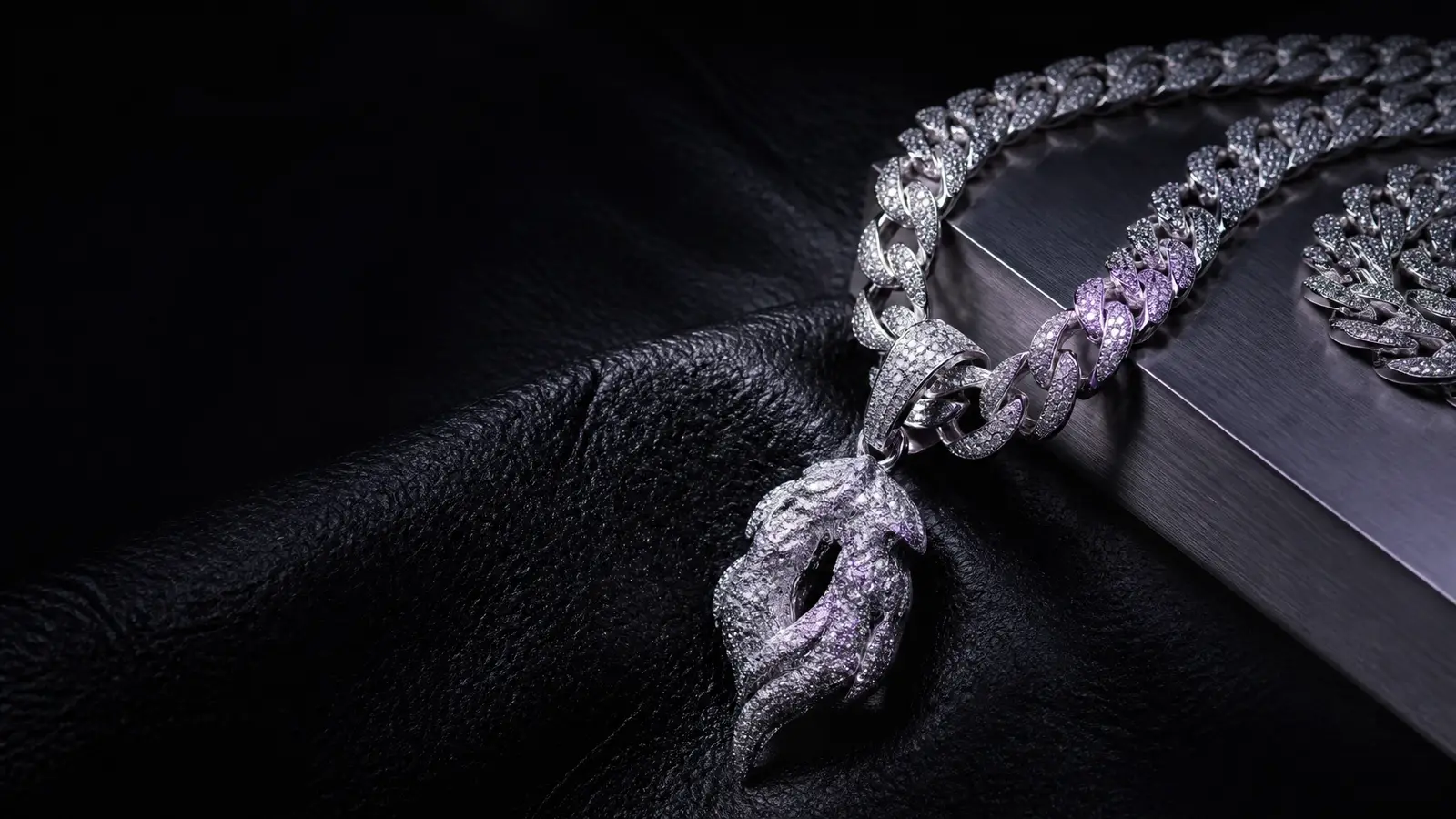
Iced-out chain and pendant arranged on black leather

Light study / studio piece

The short version

Cut is what makes the light move.

Origin + optical character

Three ways
to catch light.

Natural diamond, lab-grown diamond, and moissanite can all become beautiful jewelry. Their origin, optical personality, and typical price positioning are different.

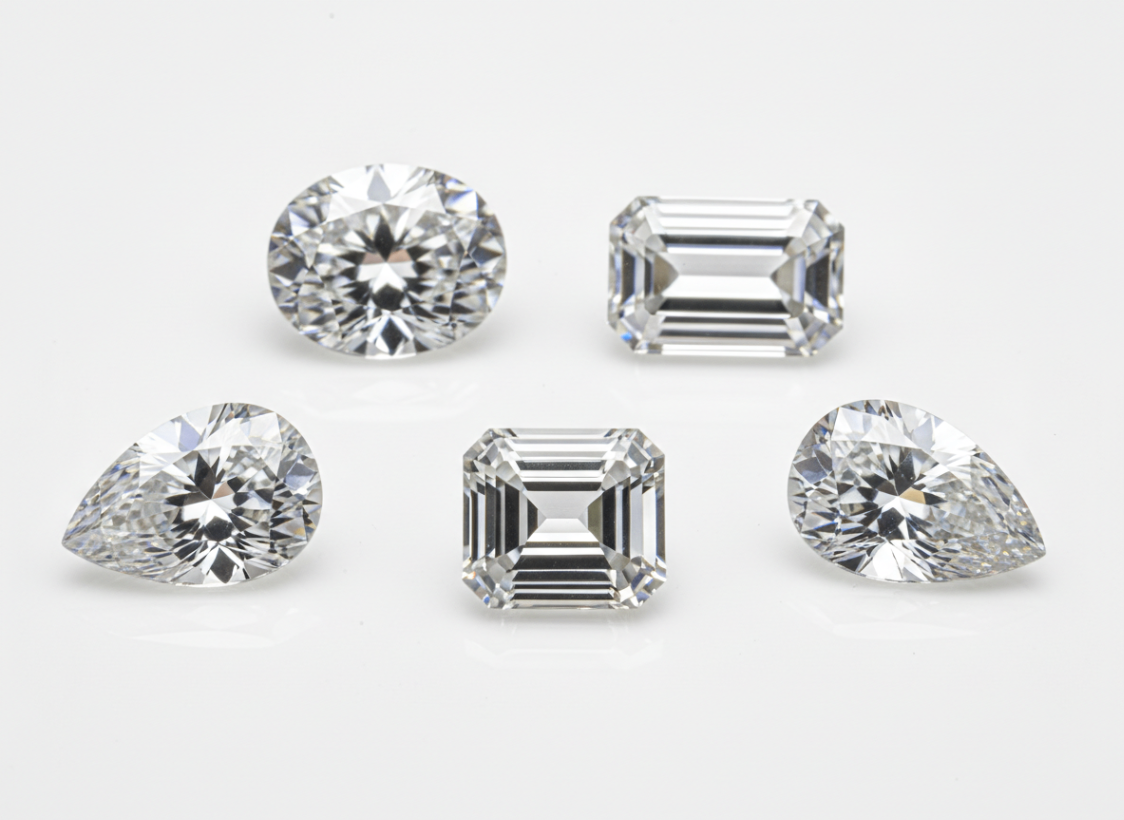
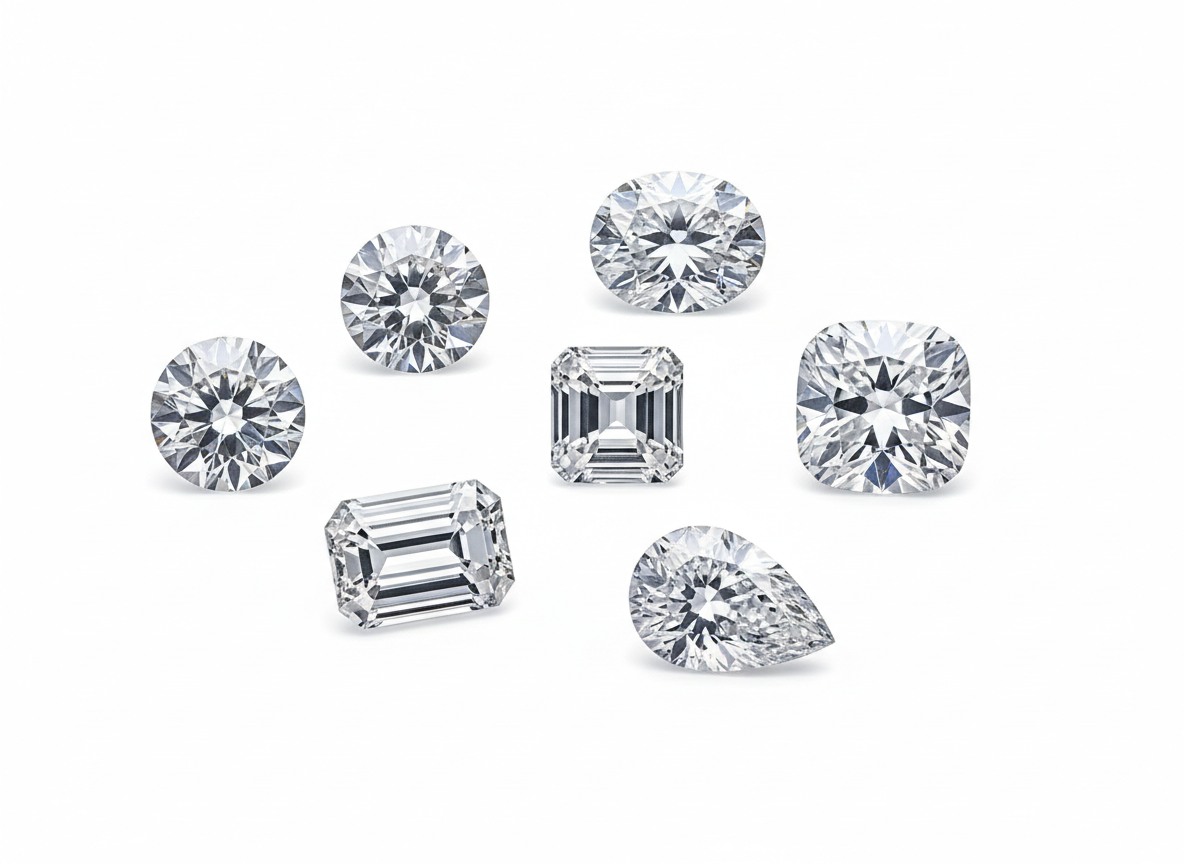
Loose natural diamonds in round, emerald, cushion, and pear cuts on a white background

Representative natural diamond visual

Natural Diamond

A diamond created by geological pressure and heat over immense spans of time, then cut for the way it returns light. Every stone carries its own combination of character, provenance, and proportions.

How it looks
The classic diamond look: crisp scintillation, bright white flashes, and a story rooted in the natural world.
Context
Origin, grading report, sourcing practices, and rarity all shape the conversation around a natural stone.

Typically the highest-priced option
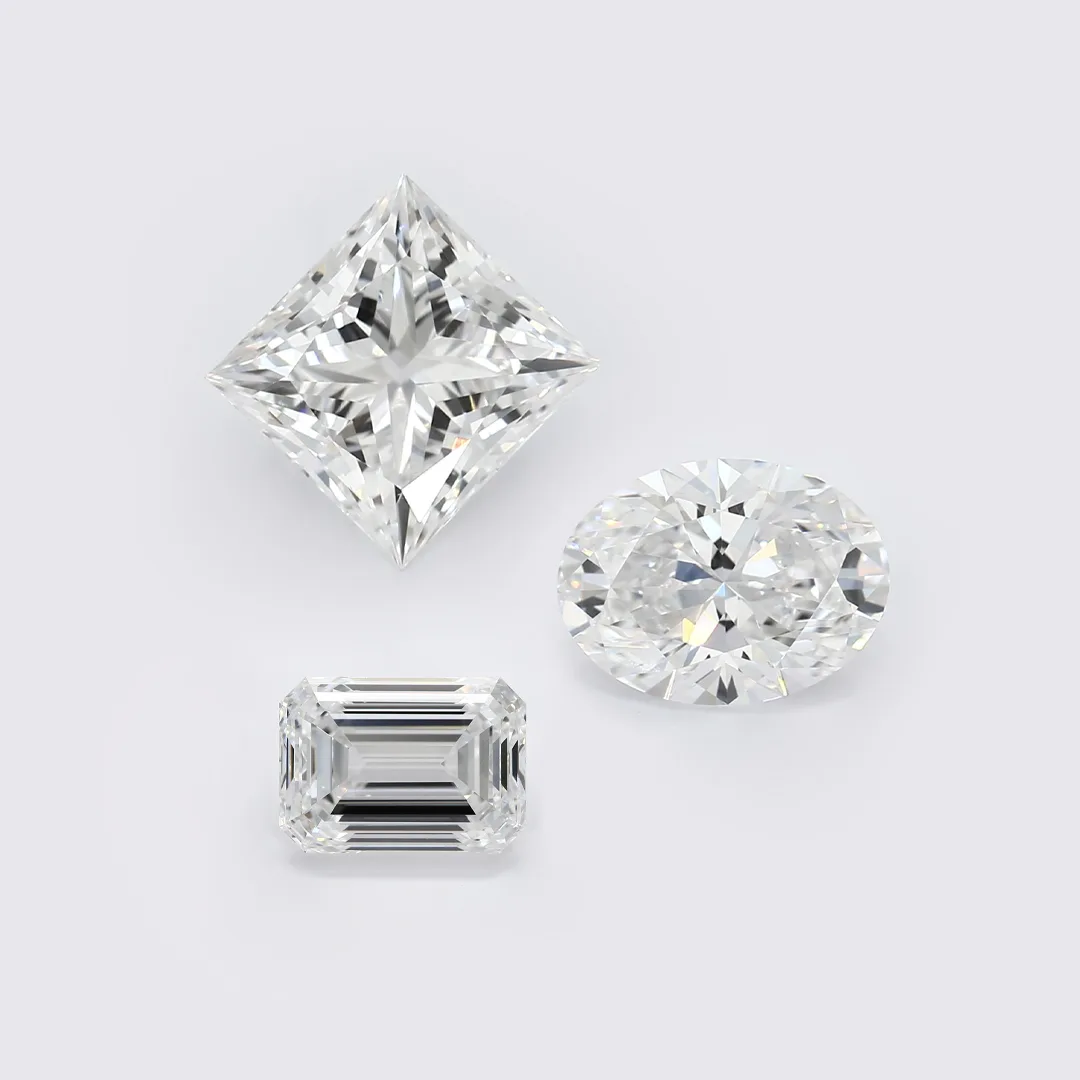
Three faceted lab-grown diamonds in princess, oval, and emerald shapes

Grown, not mined

Lab-Grown Diamond

A real diamond with the same essential crystal structure and physical properties as a natural diamond, grown in a controlled environment rather than extracted from the earth.

How it looks
When cut well, it can deliver the same bright, lively appearance. The stone is evaluated by the same familiar quality conversations: cut, color, clarity, and carat.
Context
The growth method is disclosed on its grading report. A controlled origin can make a larger or higher-spec stone feel more accessible.

Typically more accessible in price

Moissanite gemstones in round, emerald, and pear cuts photographed on a light background

Representative moissanite visual

Moissanite

Moissanite is not a diamond; it is a separate gemstone known for exceptional durability and energetic fire. Its optical character can read a little more colorful and lively than diamond.

How it looks
Brilliant sparkle with strong flashes of spectral color. Different cuts and sizes can make that personality feel subtle or unmistakably bold.
Context
Most jewelry moissanite is lab-created because gem-quality natural material is rare. It is a thoughtful option when sparkle and scale matter most.

Typically the most budget-friendly option

Price is comparative, not fixed. Final pricing moves with carat, cut, color, clarity, shape, setting, craftsmanship, provenance, and market conditions. These are broad positioning notes, never a quote.

Type photography is representative and identifies the material or origin described; it is not a grading report or proof of provenance.

The diamond clarity scale

Look closer.
Choose well.

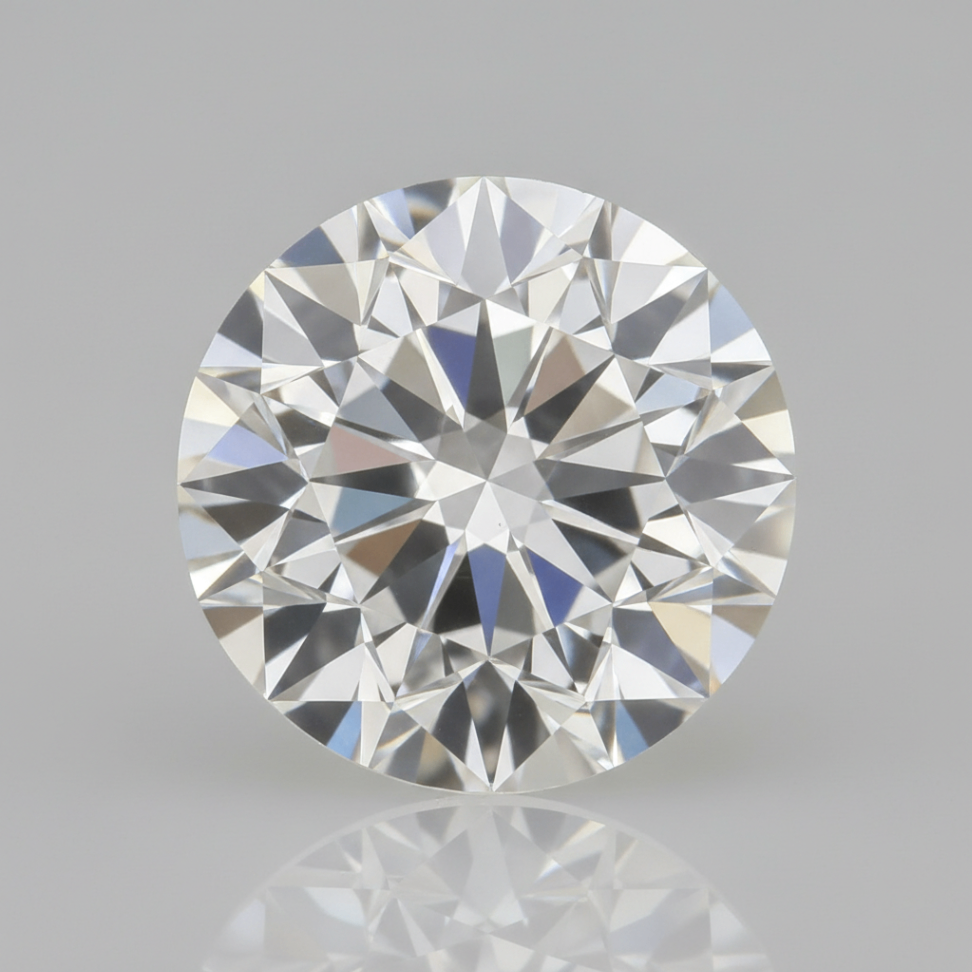
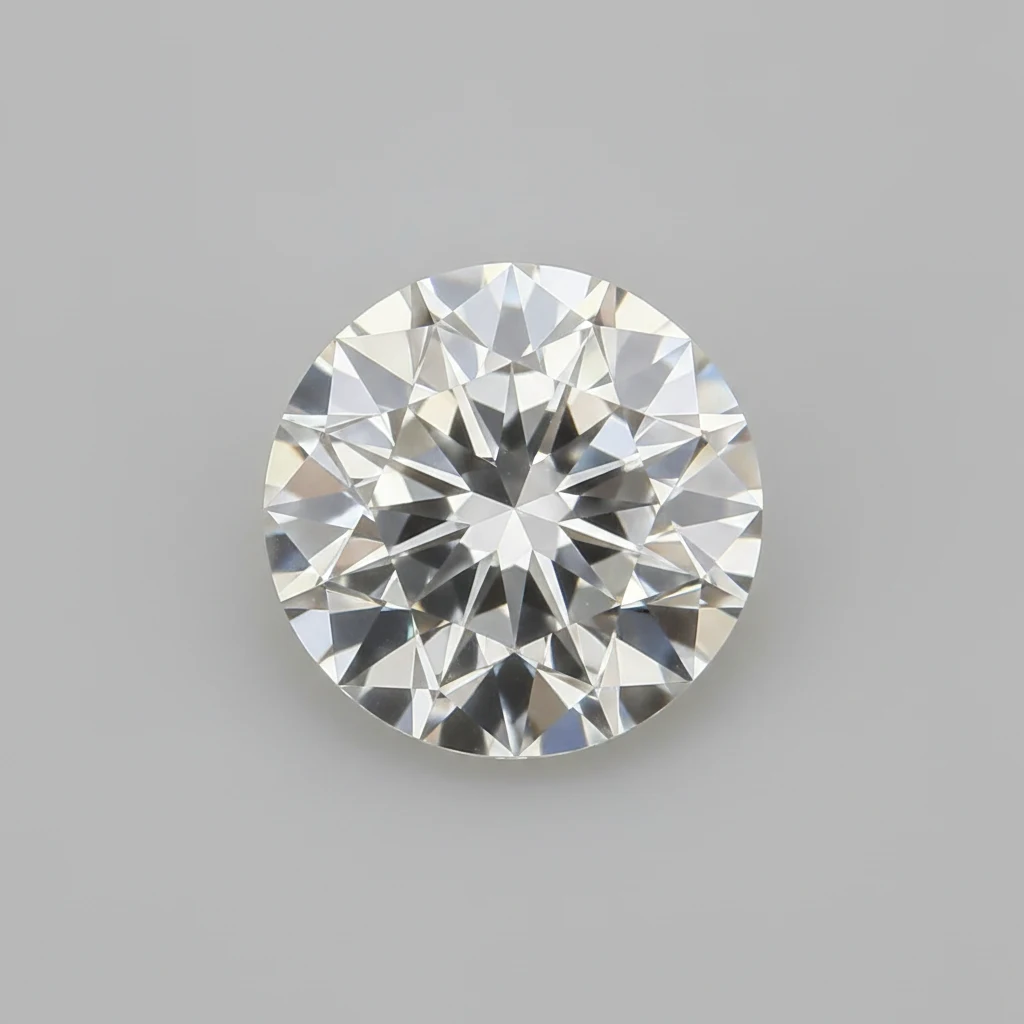
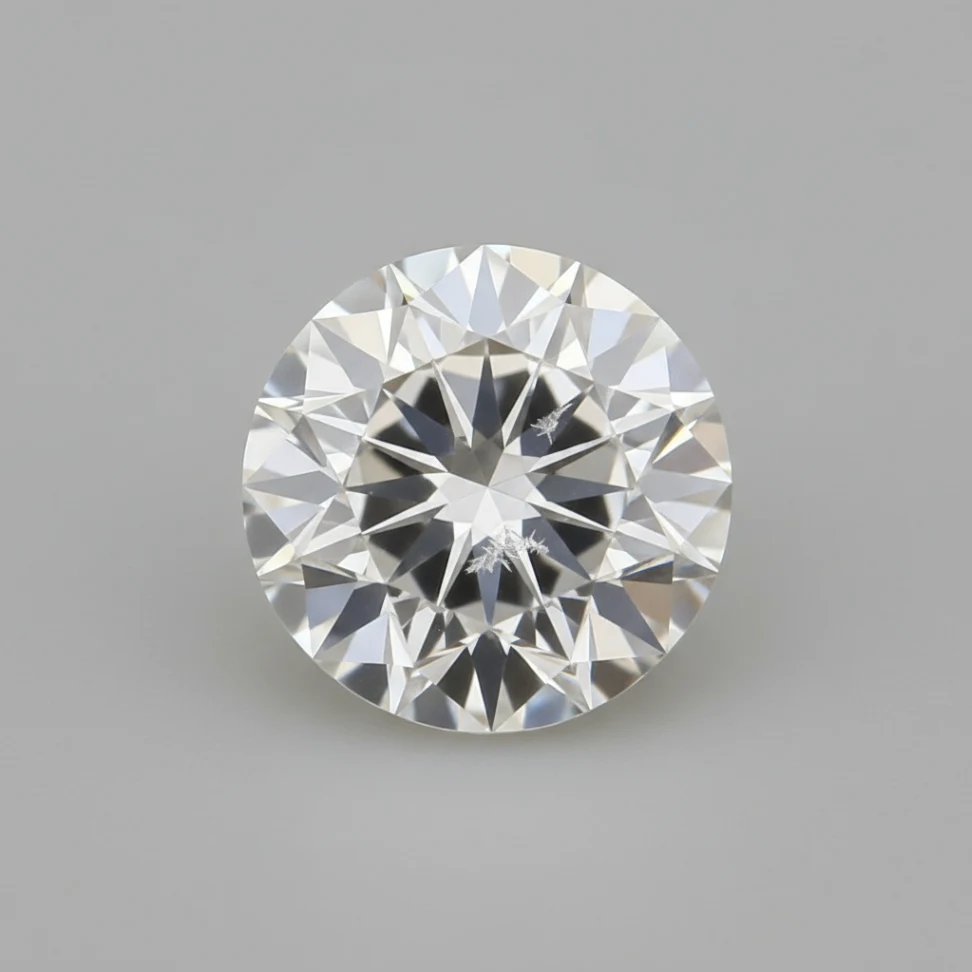
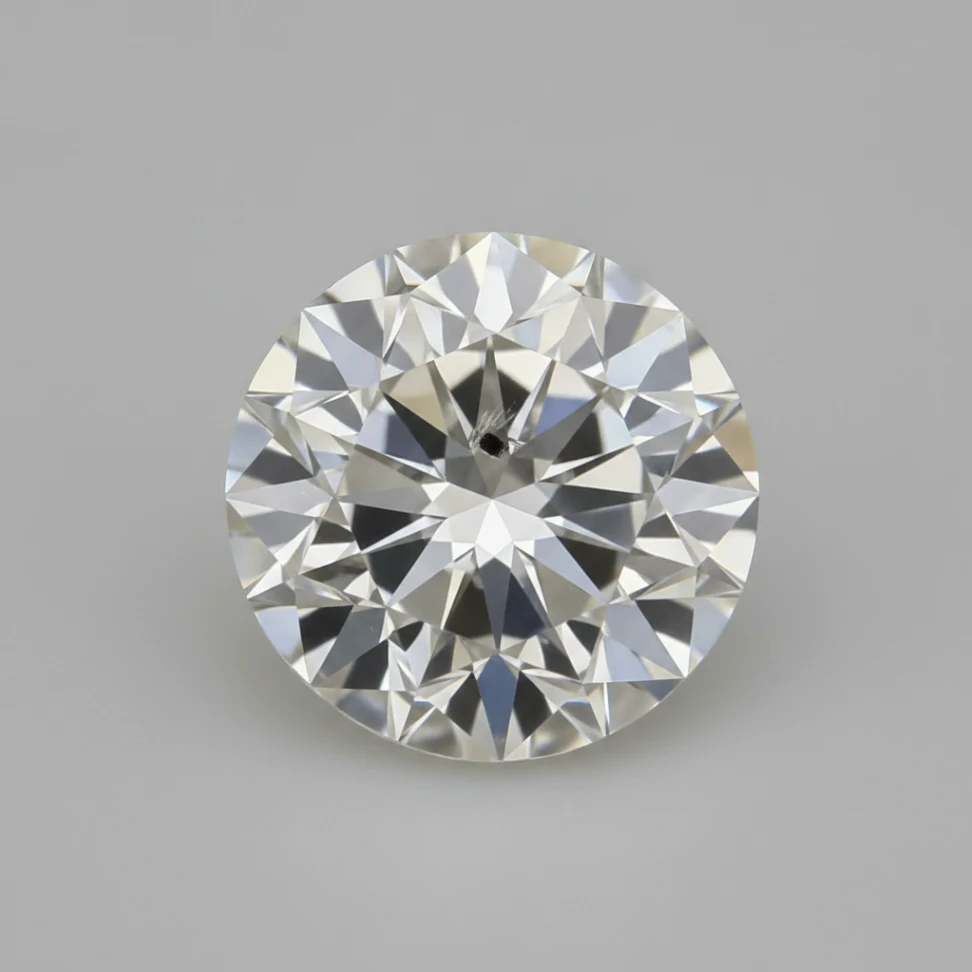
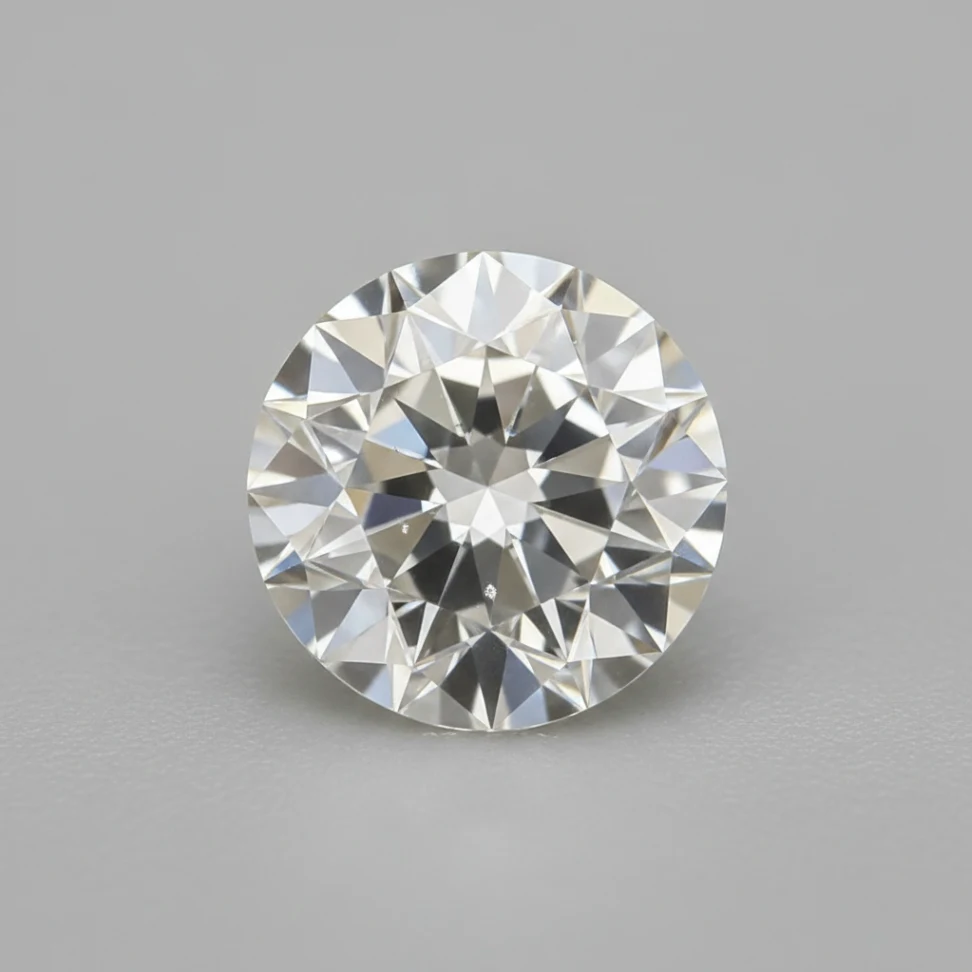
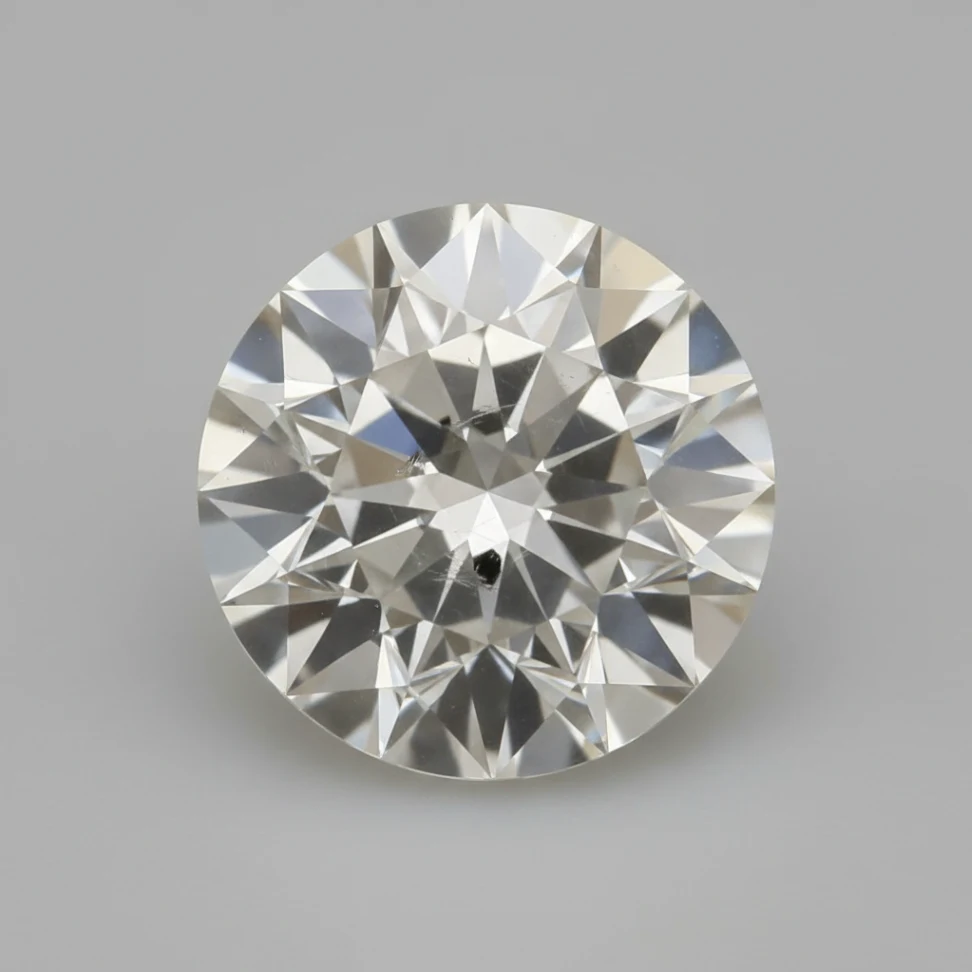
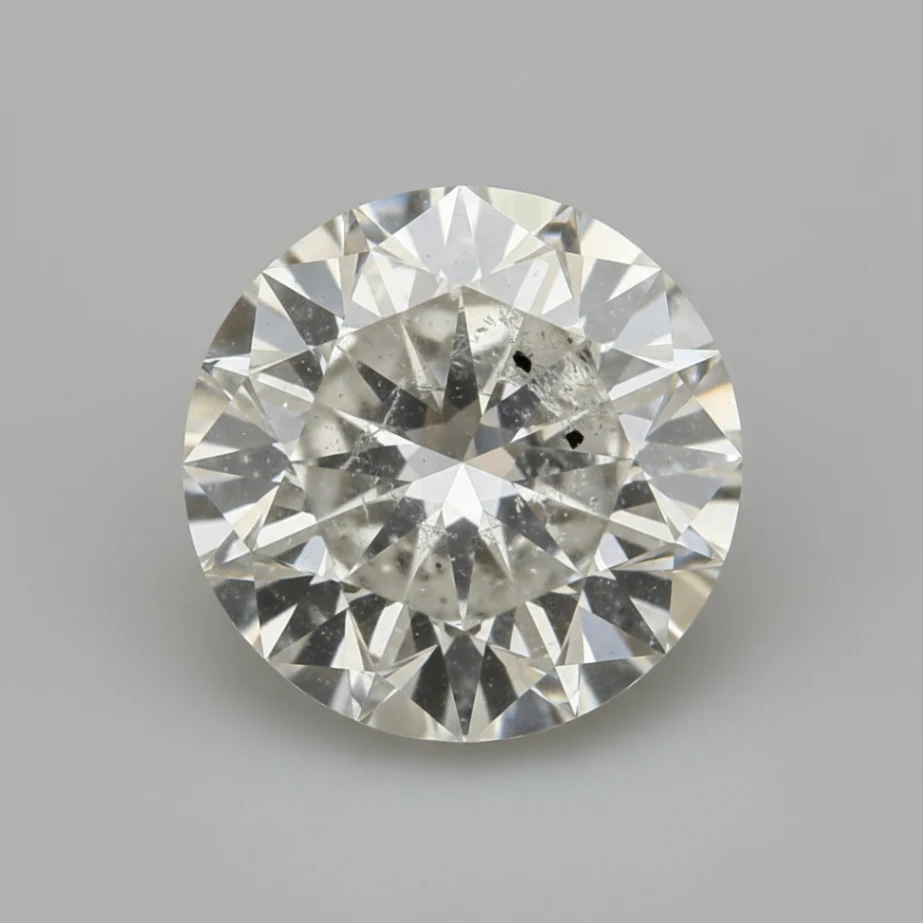
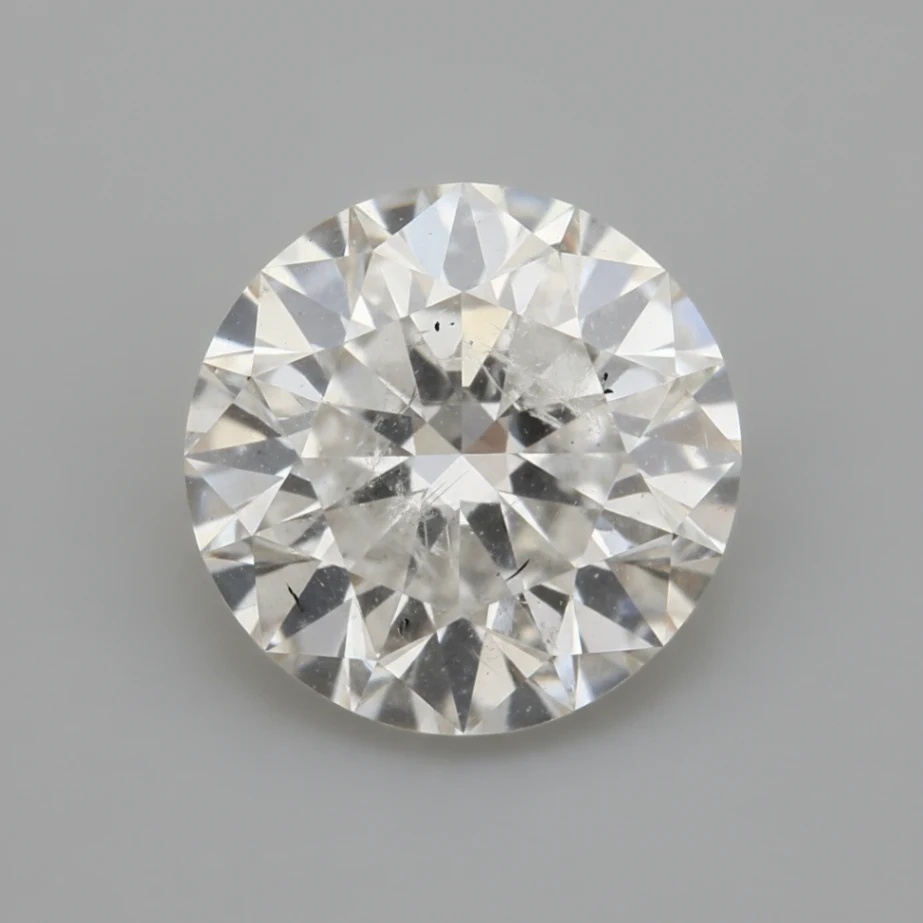
Clarity is a professional assessment of inclusions and blemishes, normally made under 10× magnification. These loose-diamond photographs are representative visuals; they do not prove or depict a specific clarity grade.

A useful rule

The best grade is the one that gives you the look, durability, and value you want in the actual stone—not the most impressive abbreviation on paper.

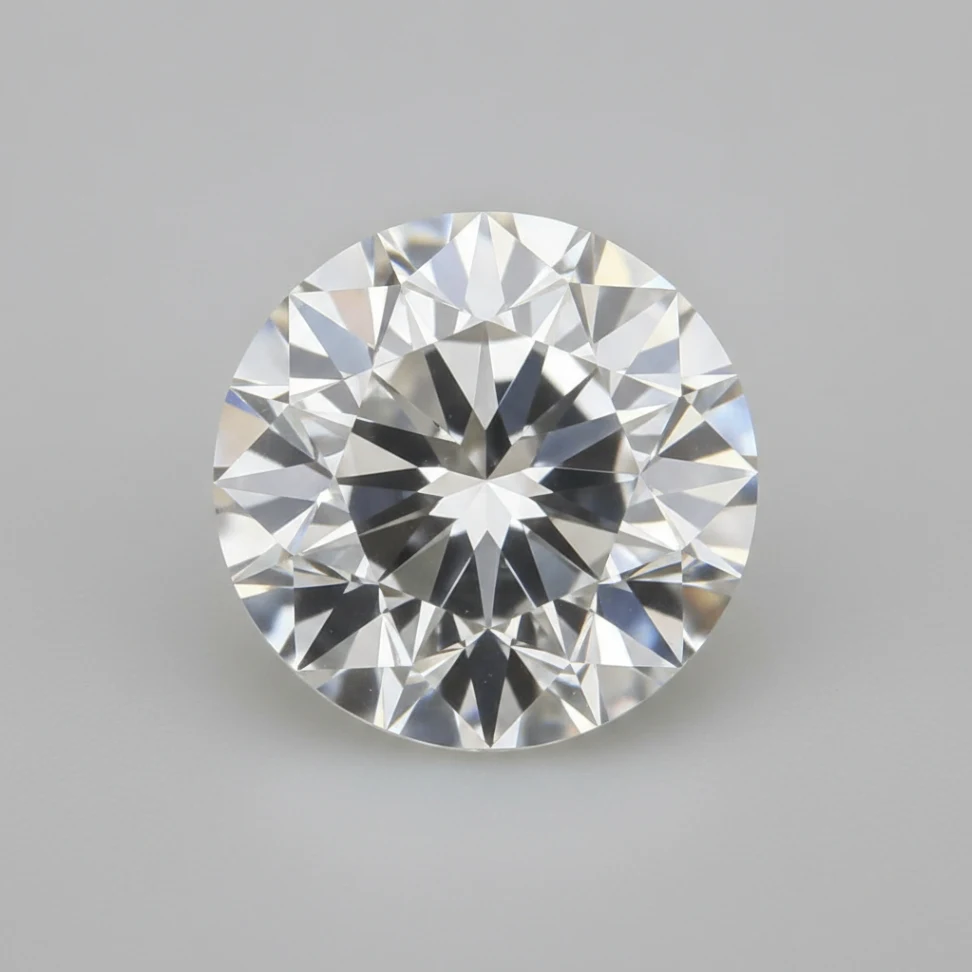
Representative FL diamond clarity image showing a loose round brilliant diamond face-up

Representative FL visual

FL

Flawless

No inclusions or blemishes are visible to a skilled grader under 10× magnification. FL is the top clarity position and an exceptionally rare expression of a diamond’s natural or grown crystal.

Value lens

A rarity-led choice for someone who wants the highest clarity designation, even when the difference from other eye-clean grades is not visible in everyday wear.

Wear + durability

FL does not mean indestructible. Cut, shape, setting, and the way the piece will be worn still guide a sensible durability conversation.

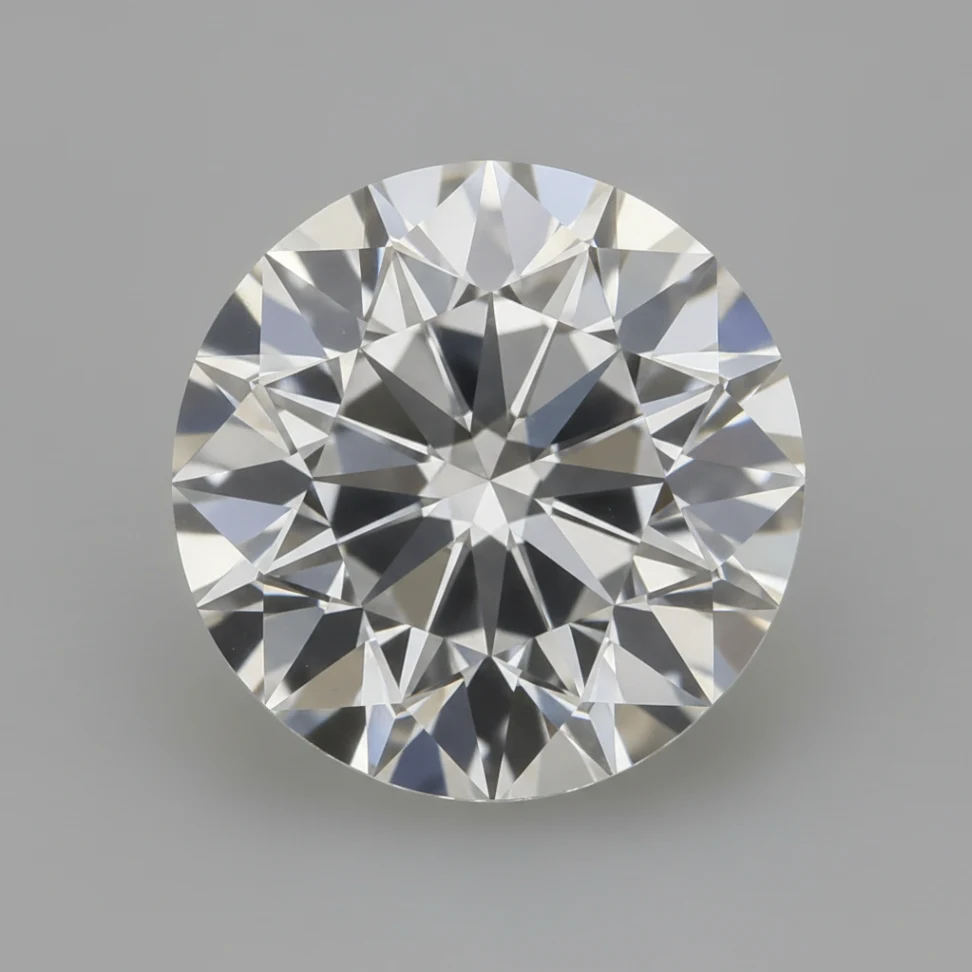
Representative IF diamond clarity image showing a loose round brilliant diamond face-up

Representative IF visual

IF

Internally flawless

No inclusions are visible to a skilled grader under 10× magnification; only minor surface blemishes may be present. An IF diamond offers an exceptionally clean interior without carrying the rarer FL designation.

Value lens

A high-clarity position for someone who values microscopic cleanliness and rarity, with a visual difference from VVS grades that is usually subtle once the stone is set.

Wear + durability

The grade speaks to clarity, not toughness. Review the shape, girdle, setting, and any surface characteristics alongside the grading report.

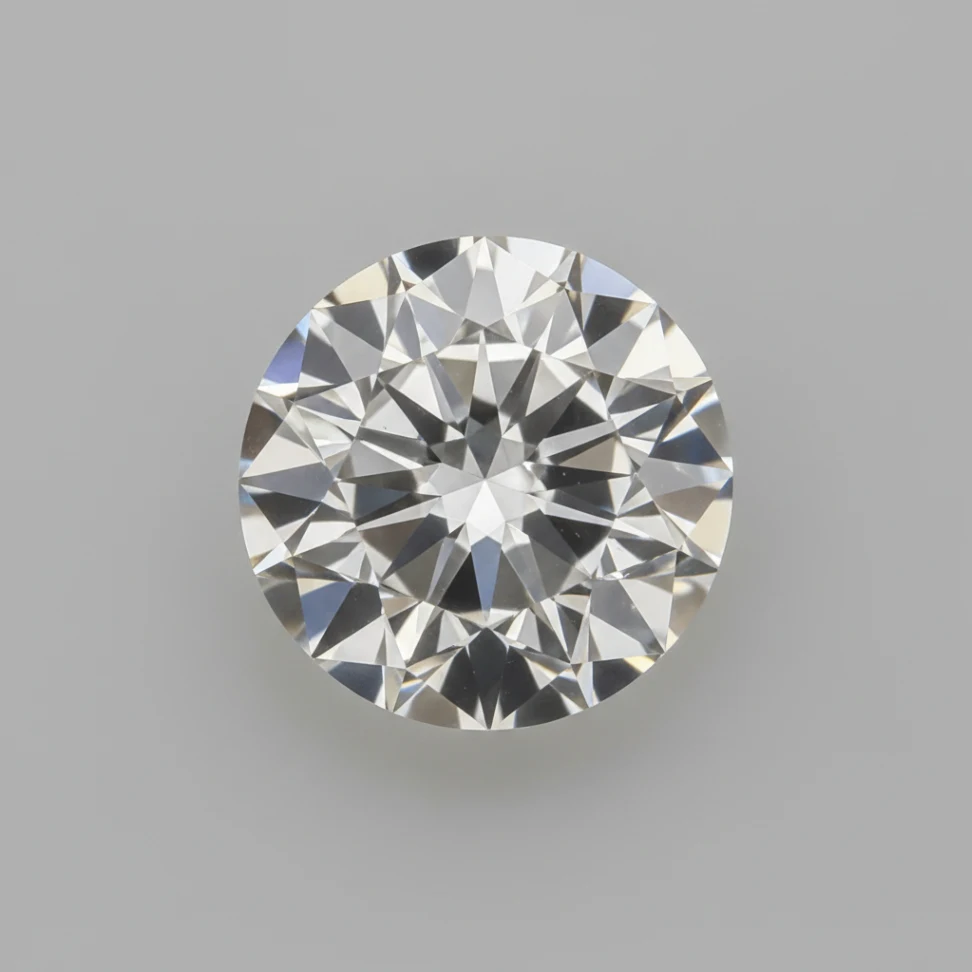
Representative VVS1 diamond clarity image showing a loose round brilliant diamond face-up

Representative VVS1 visual

VVS1

Very, very slightly included

Inclusions are extremely difficult for a skilled grader to locate under 10× magnification. To the unaided eye, a well-cut VVS1 stone is ordinarily eye-clean and exceptionally crisp.

Value lens

Its rarity supports premium positioning, although the visual difference from a lower eye-clean grade is often subtle in a finished piece.

Wear + durability

Clarity alone does not make a stone more durable. The inclusion type and location still matter, but VVS1 stones rarely raise a practical durability concern.

Representative VVS2 diamond clarity image showing a loose round brilliant diamond face-up

Representative VVS2 visual

VVS2

Representative VVS2 clarity

Minute inclusions are very difficult to see under 10× magnification. They are typically invisible face-up, leaving the stone with a clean, uninterrupted presentation.

Value lens

A high-clarity choice for someone who values rarity and microscopic cleanliness, with a price premium that may be more apparent on paper than on the hand.

Wear + durability

The grade is generally a comfortable durability choice, while the stone’s shape, setting, and the inclusion’s exact position should still be reviewed.

Representative VS1 diamond clarity image showing a loose round brilliant diamond face-up

Representative VS1 visual

VS1

Very slightly included

Minor inclusions are difficult to locate under 10× magnification. Many VS1 stones look completely clean in normal viewing, especially when cut to return strong light.

Value lens

Often a considered balance: high visual cleanliness without paying only for a microscopic distinction most wearers will never see.

Wear + durability

Usually a sound everyday choice. Ask to see whether any feather or cavity sits near a girdle, point, or corner before committing to a vulnerable setting.

Representative VS2 diamond clarity image showing a loose round brilliant diamond face-up

Representative VS2 visual

VS2

Very slightly included

Inclusions are easier for a grader to find under magnification, but the stone can still look eye-clean from a normal distance. Shape, size, and cut strongly influence what the eye notices.

Value lens

A popular value point for a bright, clean-looking stone when the individual inclusion is well placed and the cut is doing its work.

Wear + durability

Inspect inclusions near the girdle, corners, or culet with extra care. A VS2 is not automatically fragile, and a higher grade is not automatically indestructible.

Representative SI1 diamond clarity image showing a loose round brilliant diamond face-up

Representative SI1 visual

SI1

Slightly included

Inclusions are noticeable under 10× magnification and may be visible to the unaided eye depending on the stone. A well-chosen SI1 can still look beautifully clean face-up.

Value lens

Can offer compelling visual value because budget can move toward size, shape, or cut rather than a higher clarity label.

Wear + durability

Review the individual stone, not just the grade. Feathers or fractures near an edge, point, or corner deserve a setting that gives them protection.

Representative SI2 diamond clarity image showing a loose round brilliant diamond face-up

Representative SI2 visual

SI2

Slightly included

Inclusions are more readily found under magnification and can be visible without it. They may add character, or they may interrupt transparency and brilliance; the individual stone makes the difference.

Value lens

Typically sits at a more accessible position, especially when the inclusions are unobtrusive and the cut keeps the face-up view lively.

Wear + durability

Ask for a direct look at the stone and its grading report. Inclusion type, placement, and how well the setting protects the stone matter more than the letters alone.

Representative I1 diamond clarity image showing a loose round brilliant diamond face-up

Representative I1 visual

I1

Included

Inclusions are usually easy to see under magnification and may be apparent to the unaided eye. They can affect transparency, brilliance, and the overall visual rhythm of the stone.

Value lens

Generally the most accessible clarity position in this guide, with the greatest need to choose for the individual stone’s beauty rather than the grade alone.

Wear + durability

Durability requires close attention. Fractures, large feathers, or inclusions near vulnerable edges can make a stone more sensitive to impact, so setting design and everyday wear deserve a clear conversation.

Representative I2 diamond clarity image showing a loose round brilliant diamond face-up

Representative I2 visual

I2

Included

Inclusions are obvious under magnification and commonly visible to the unaided eye. They can affect the diamond’s transparency, brilliance, and apparent texture, giving the individual stone a more pronounced character.

Value lens

A lower clarity position that can leave room for a larger stone or a more expressive design, provided the chosen diamond still has the presence you want.

Wear + durability

Inspect the stone closely for durability concerns, especially feathers, fractures, cavities, and inclusions near points or corners. The setting should be chosen as part of that decision.

Representative I3 diamond clarity image showing a loose round brilliant diamond face-up

Representative I3 visual

I3

Included

Inclusions are prominent and may substantially affect transparency and brilliance. An I3 diamond is best understood stone by stone, because the visual and structural effect of its inclusions can vary considerably.

Value lens

The most accessible position in this scale, suited to a choice led by the individual stone’s mood, design context, and honest understanding of its visible character.

Wear + durability

Durability and wear need a direct, careful review. Large inclusions or fractures can make a stone more vulnerable, so the setting, lifestyle, and intended use should all be considered.

Cut + silhouette

Find your
shape language.

Shape is the first thing the eye reads. It changes the gesture of a ring, the rhythm of a pendant, and how large a stone feels on the body.

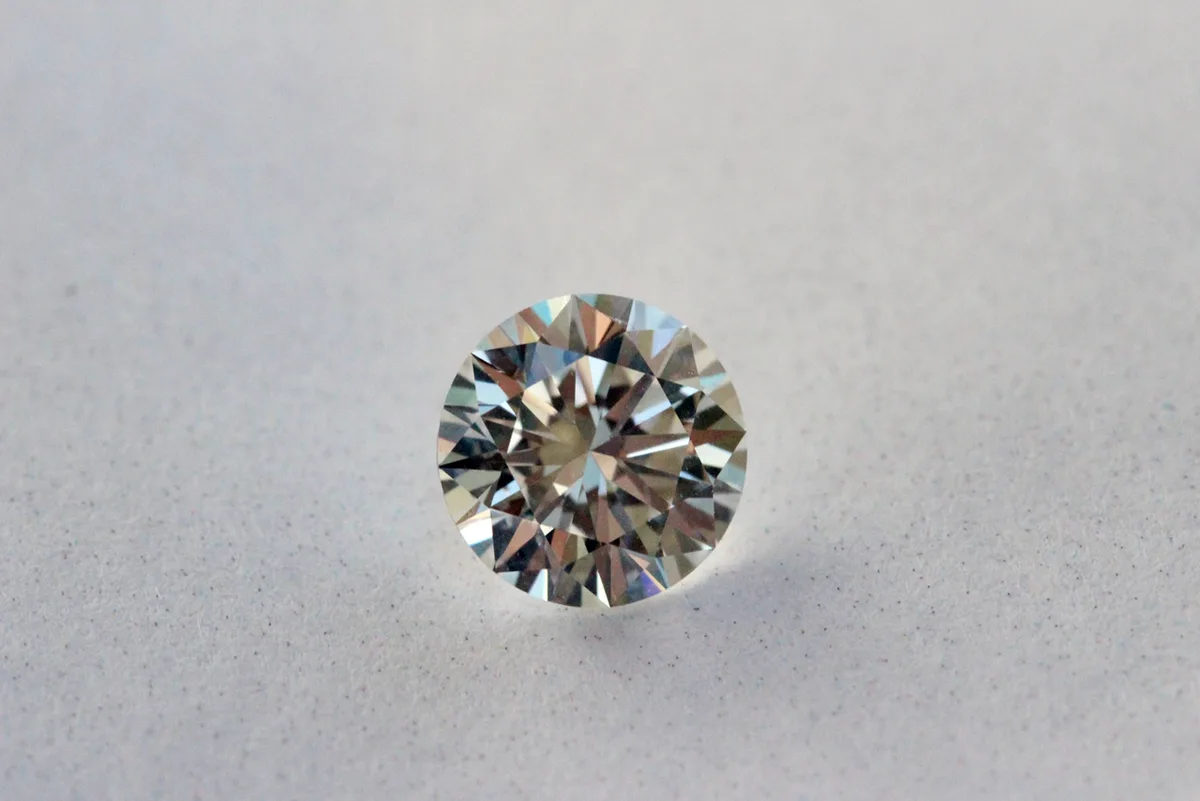
Loose round brilliant-cut diamond photographed face-up

Round

The classic brilliant: symmetrical, versatile, and designed for generous sparkle.

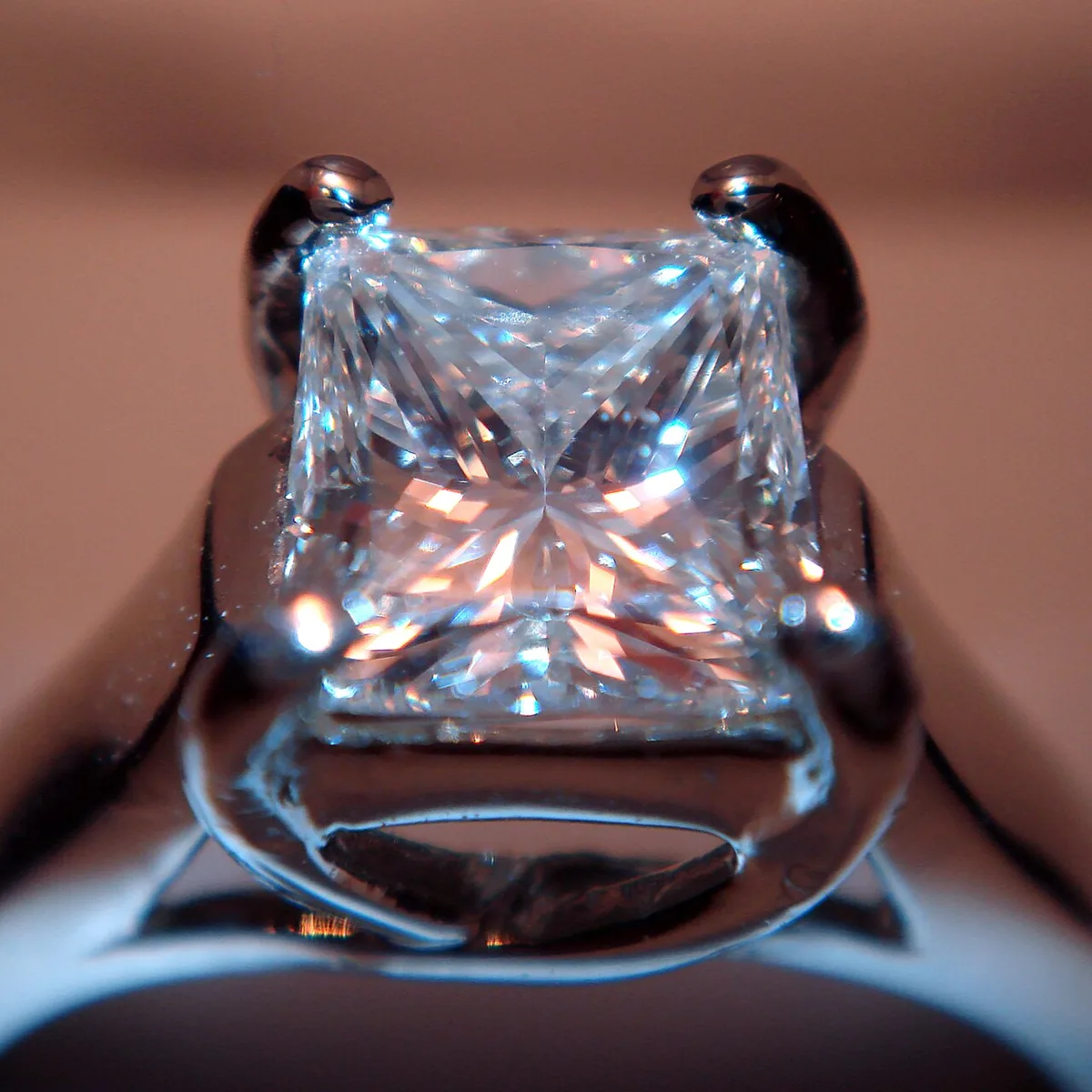
Loose princess-cut diamond photographed face-up

Princess

A crisp square or rectangle with modern corners and bright, geometric flashes.

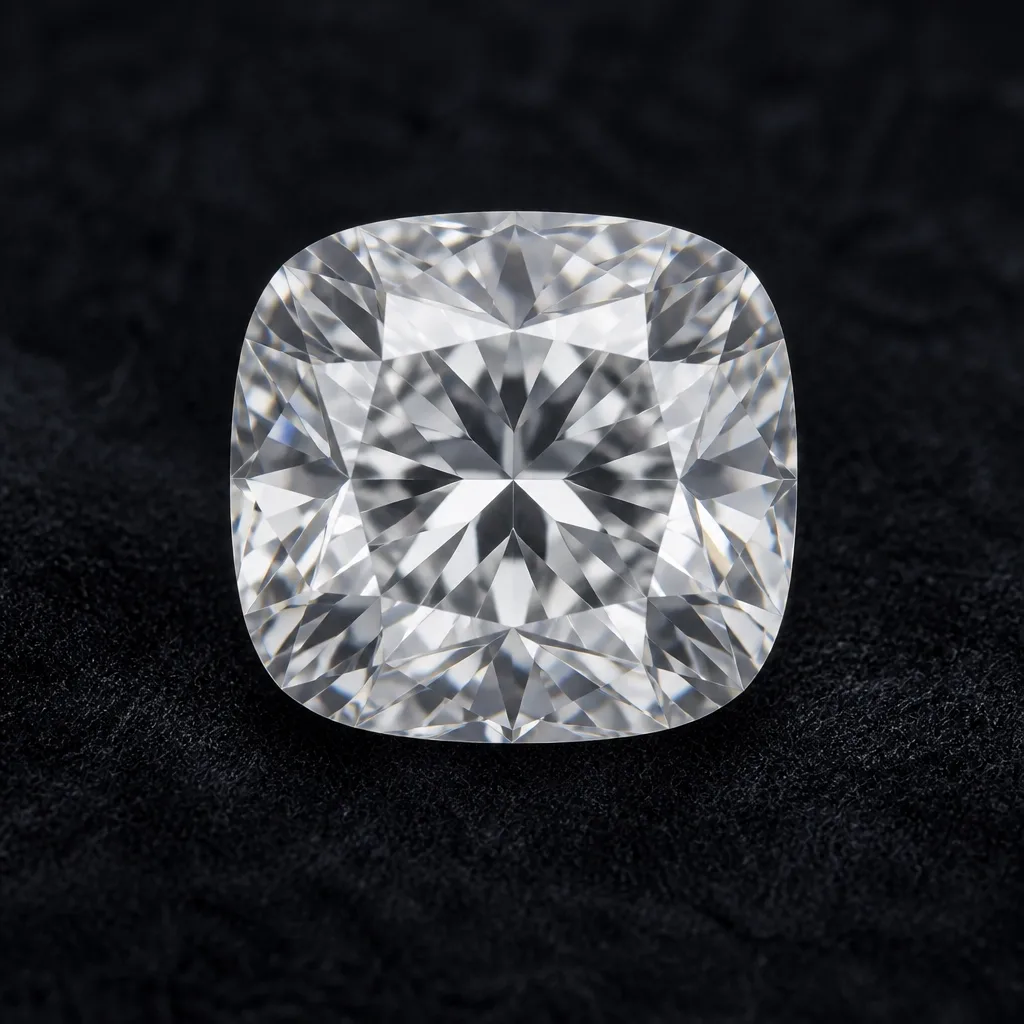
Loose cushion-cut diamond with softly rounded corners

Cushion

A softened square or rectangle with rounded corners and a quietly romantic presence.

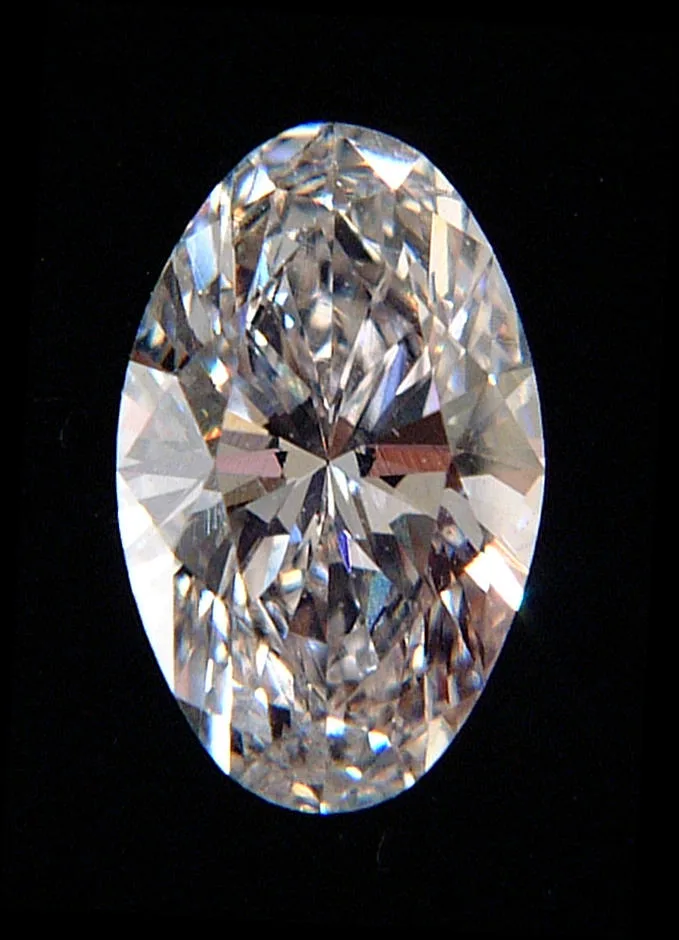
Loose oval-cut diamond photographed face-up

Oval

An elongated brilliant that can feel graceful, generous, and a little unexpected.

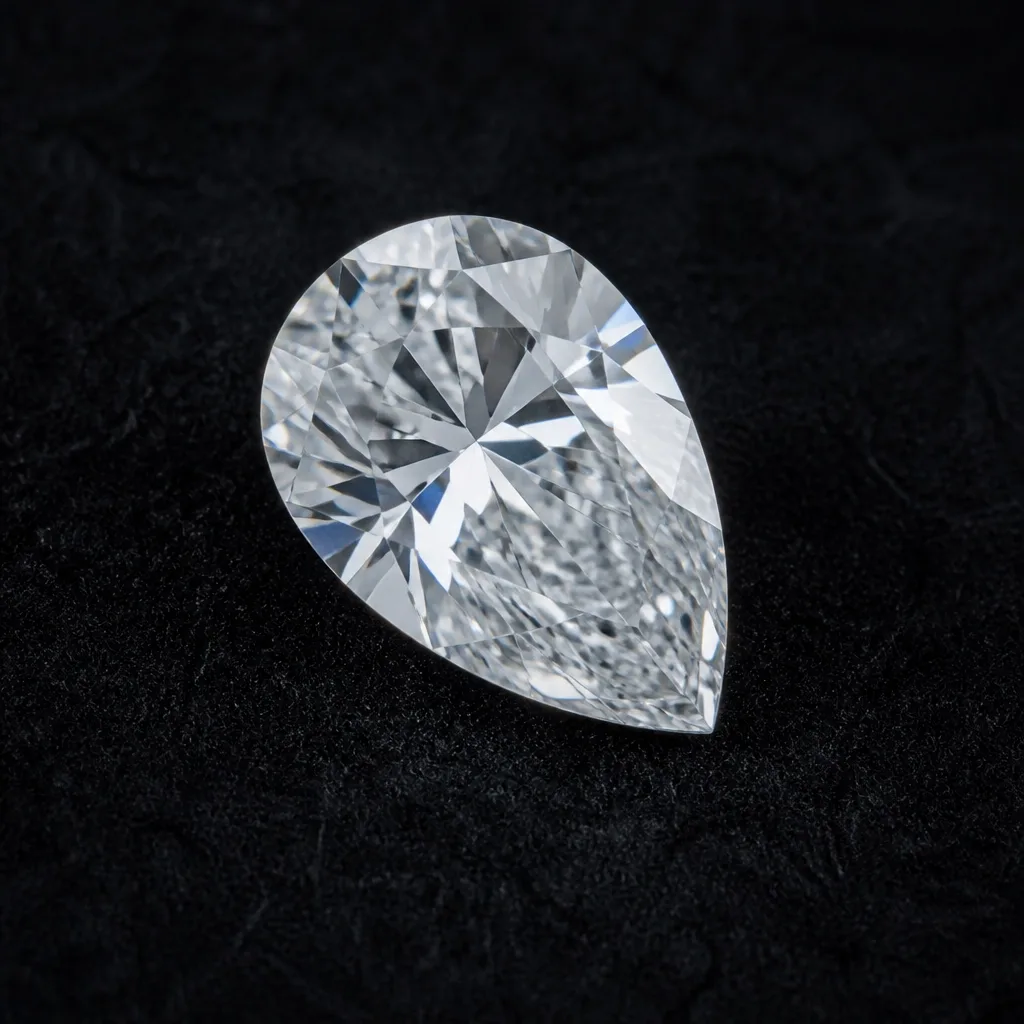
Loose pear-shaped diamond with a rounded shoulder and pointed tip

Pear

A teardrop silhouette with direction and movement; the point deserves a protective setting.

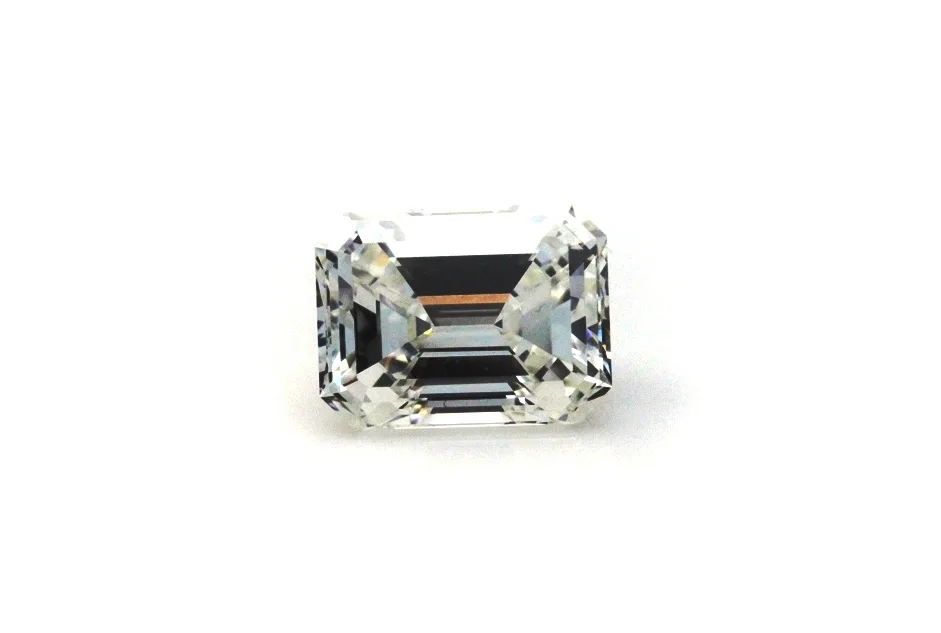
Loose emerald-cut diamond showing rectangular step facets

Emerald

A step-cut rectangle with broad, clean flashes and a refined hall-of-mirrors effect.

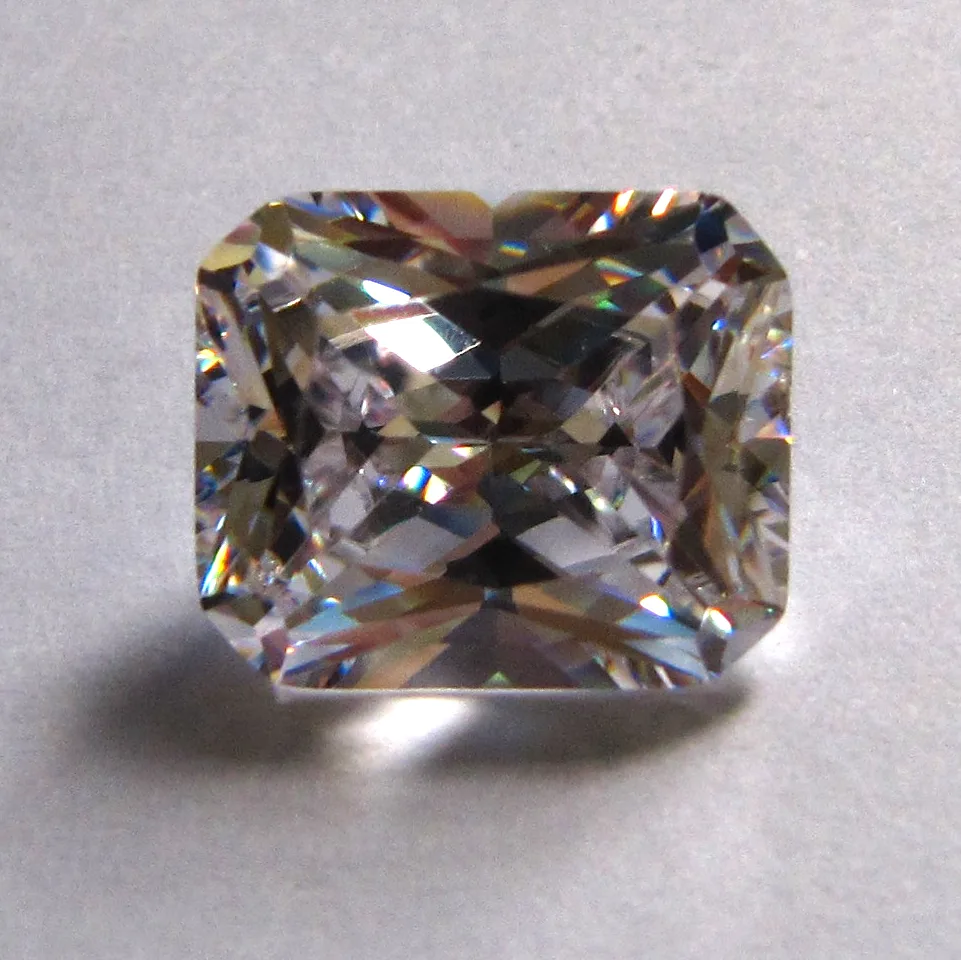
Loose radiant-cut diamond with trimmed corners

Radiant

A brilliant-cut square or rectangle with trimmed corners and lively all-over sparkle.

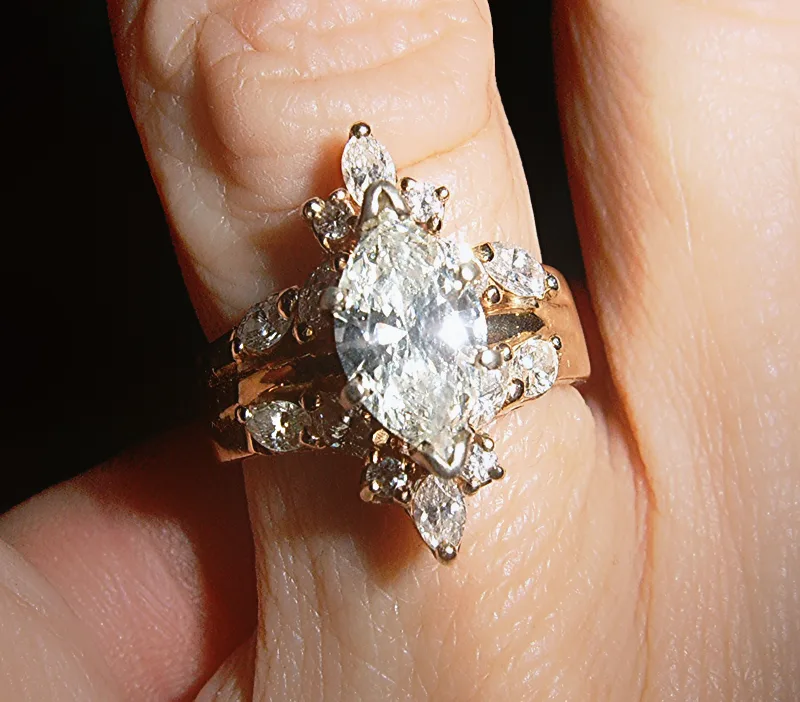
Marquise-cut diamond set in a ring, shown from above

Marquise

A long, pointed outline that creates an elegant line and a strong sense of scale.

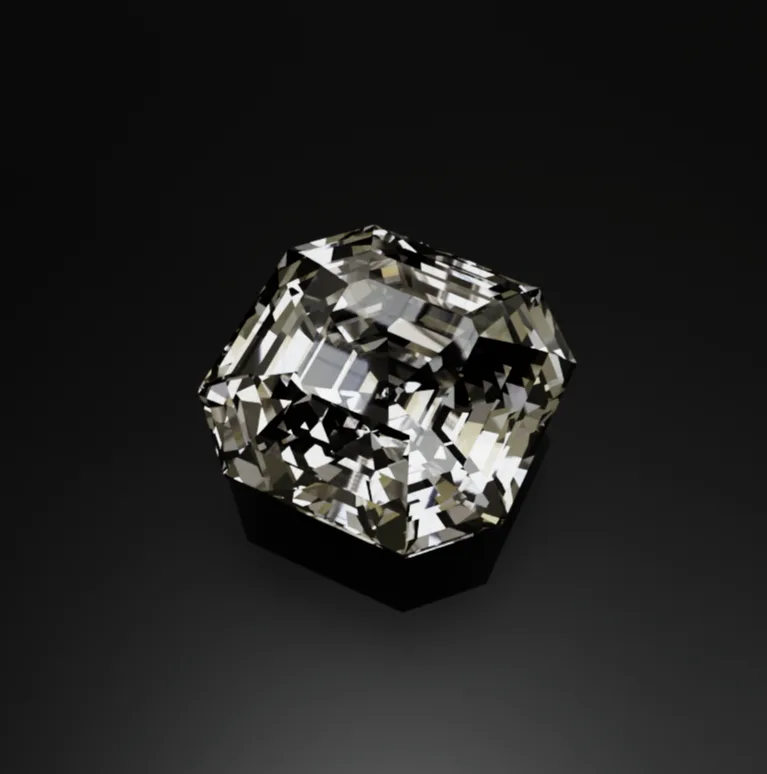
Loose Asscher-cut diamond with clipped corners and geometric facets

Asscher

A square step-cut with clipped corners, concentric geometry, and art-deco attitude.

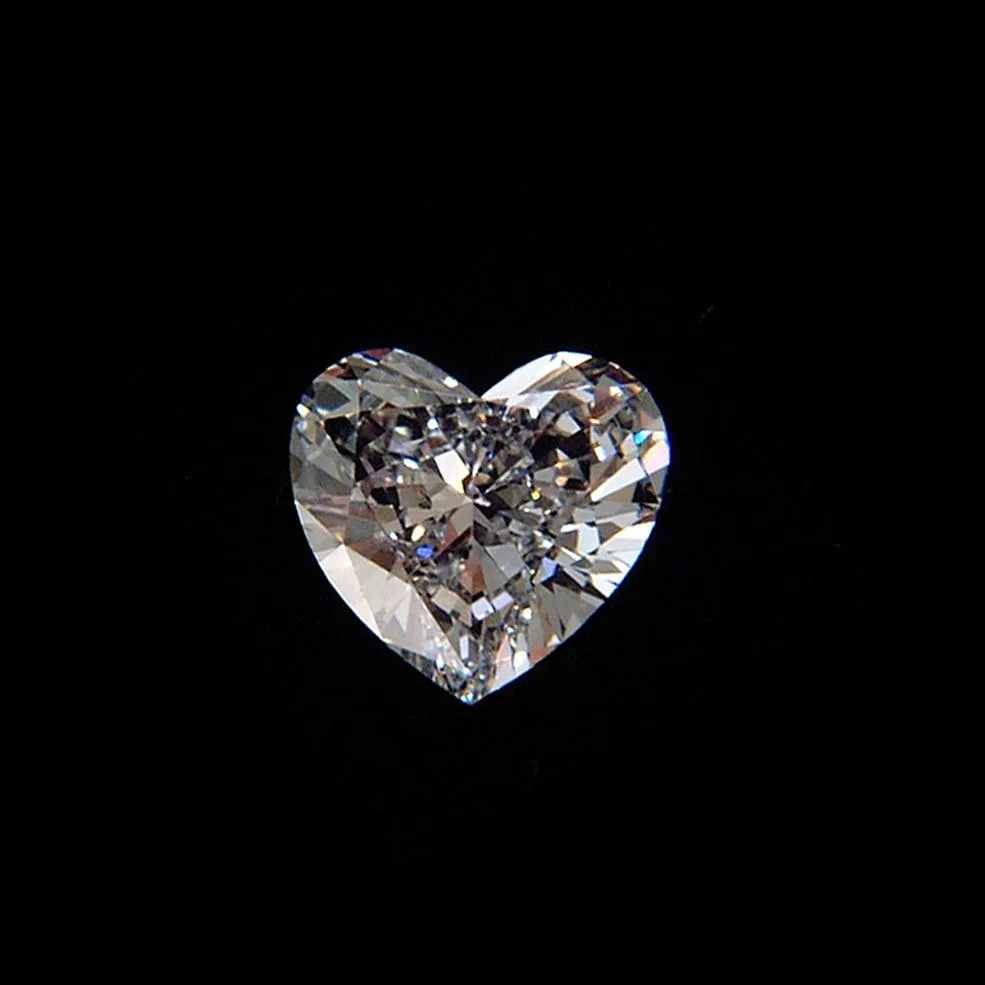
Loose heart-shaped diamond photographed face-up

Heart

A romantic, unmistakable outline that makes the silhouette part of the message.

Shape images are representative cut imagery chosen to show the named outline; the generated cushion and pear visuals are illustrative, not a grading report or guarantee of a particular stone. The final stone is selected with its proportions, report, setting, and intended wear in view.

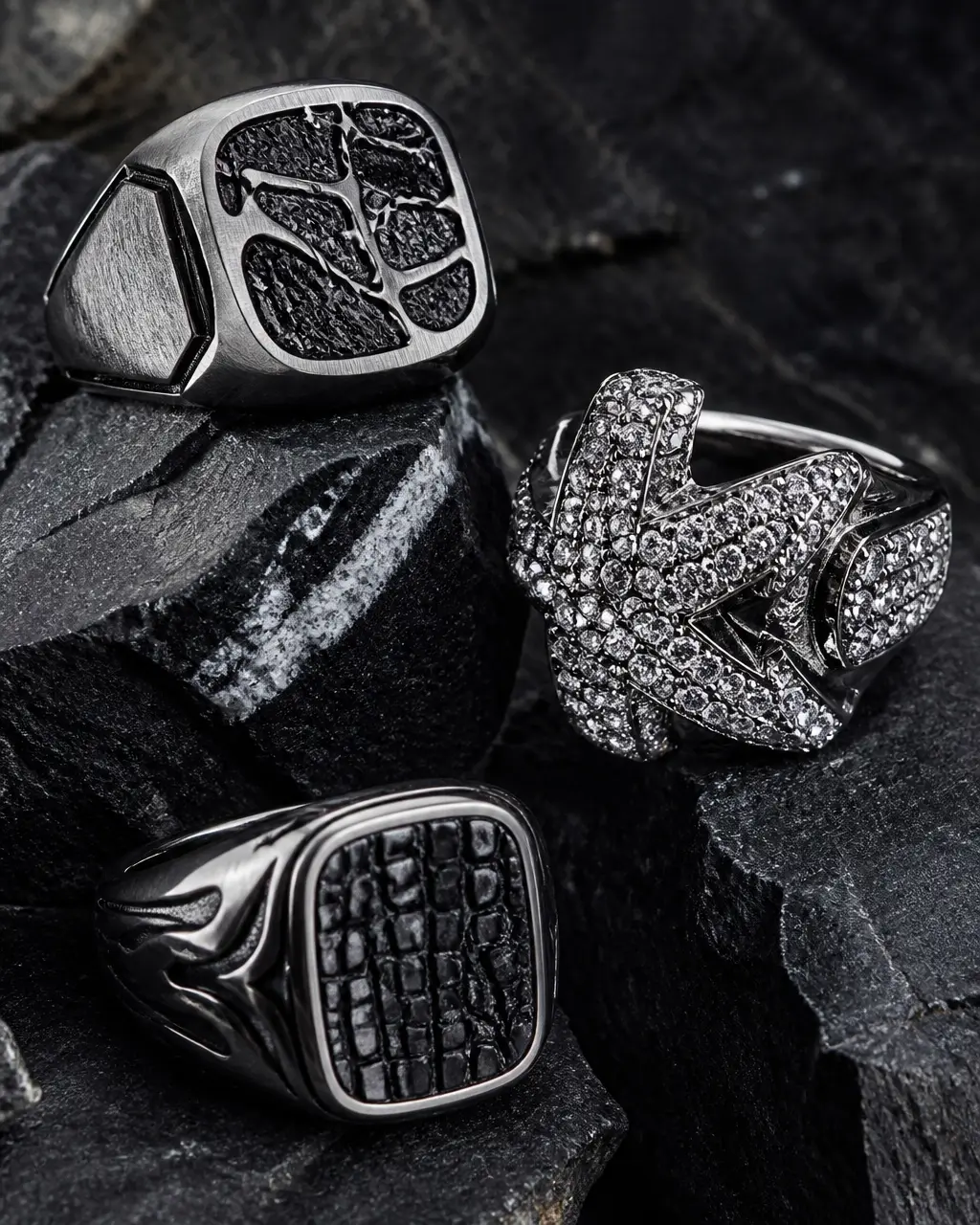
Close-up of custom rings with bright diamond detail

The frame matters

Meet the
metals.

Your stone is only half the composition. Explore the color, weight, finish, and care of 925 sterling silver, gold, and platinum before you set the direction.