Flawless Frost

Materials / metals

The frame decides how the whole piece speaks.

Back to the diamond guide

Pick your
weight + tone.

Metal is color, temperature, weight, and the way a piece ages with you. Use this as a starting point, then let the design and your everyday life make the final call.

Most accessible

925 sterling silver

Most naturally white

Platinum

Most variable

Gold by karat + weight

Five ways to frame a stone

Material is
part of the message.

Every metal here can be made beautiful. The right one depends on your color instinct, wear pattern, care tolerance, and the weight you want to feel.

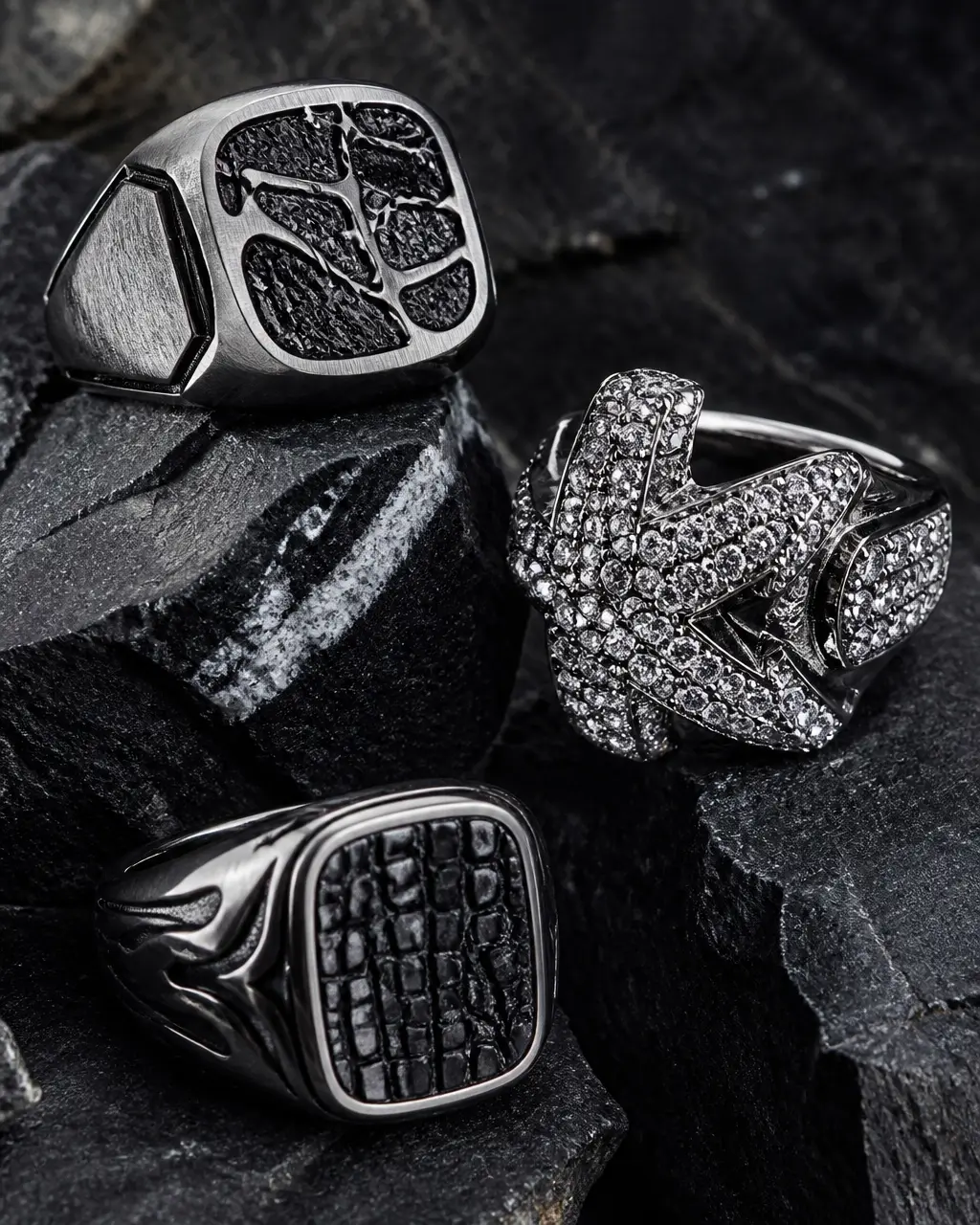
Silver rings with diamond detail arranged on dark stone

Bright / accessible

925 sterling silver

Generally the most accessible metal option

A strong starting point for bold silhouettes, first custom pieces, and anyone who likes a bright metal without the weight of a precious-metal premium.

Composition
92.5% silver with the balance typically made from strengthening alloys.
Color
Cool, bright white with an easy relationship to black, denim, and diamonds.
Durability
A practical everyday metal, though softer than gold alloys or platinum. It can pick up scratches and will naturally tarnish when exposed to air, moisture, or chemicals.
Care
Store dry and separate. A soft polishing cloth restores brightness; remove it before swimming, showering, or using household chemicals.
Finish
Takes a high polish beautifully and also suits brushed, oxidized, or intentionally worn finishes.
Warm gold jewelry catching direct sunlight on a pale stone

Warm / classic

Yellow gold

Varies with karat, weight, design, and market conditions

Someone who wants the material itself to read warm, iconic, and intentional—especially against cooler stones or deep skin tones.

Composition
Pure gold is naturally soft, so jewelry gold is alloyed for strength. Common 14k gold contains about 58.5% gold; common 18k gold contains about 75%.
Color
Warm and unmistakable. Higher karat generally brings a richer gold tone along with a softer alloy.
Durability
A reliable everyday choice, with the balance shifting by karat: lower-karat alloys are usually harder, while higher-karat gold is purer and more supple.
Care
Clean gently with warm water and mild soap. Avoid abrasive cloths and store away from harder pieces that can mark a polished surface.
Finish
Polish for a liquid glow, brush for a quieter studio feel, or let wear build a personal patina over time.
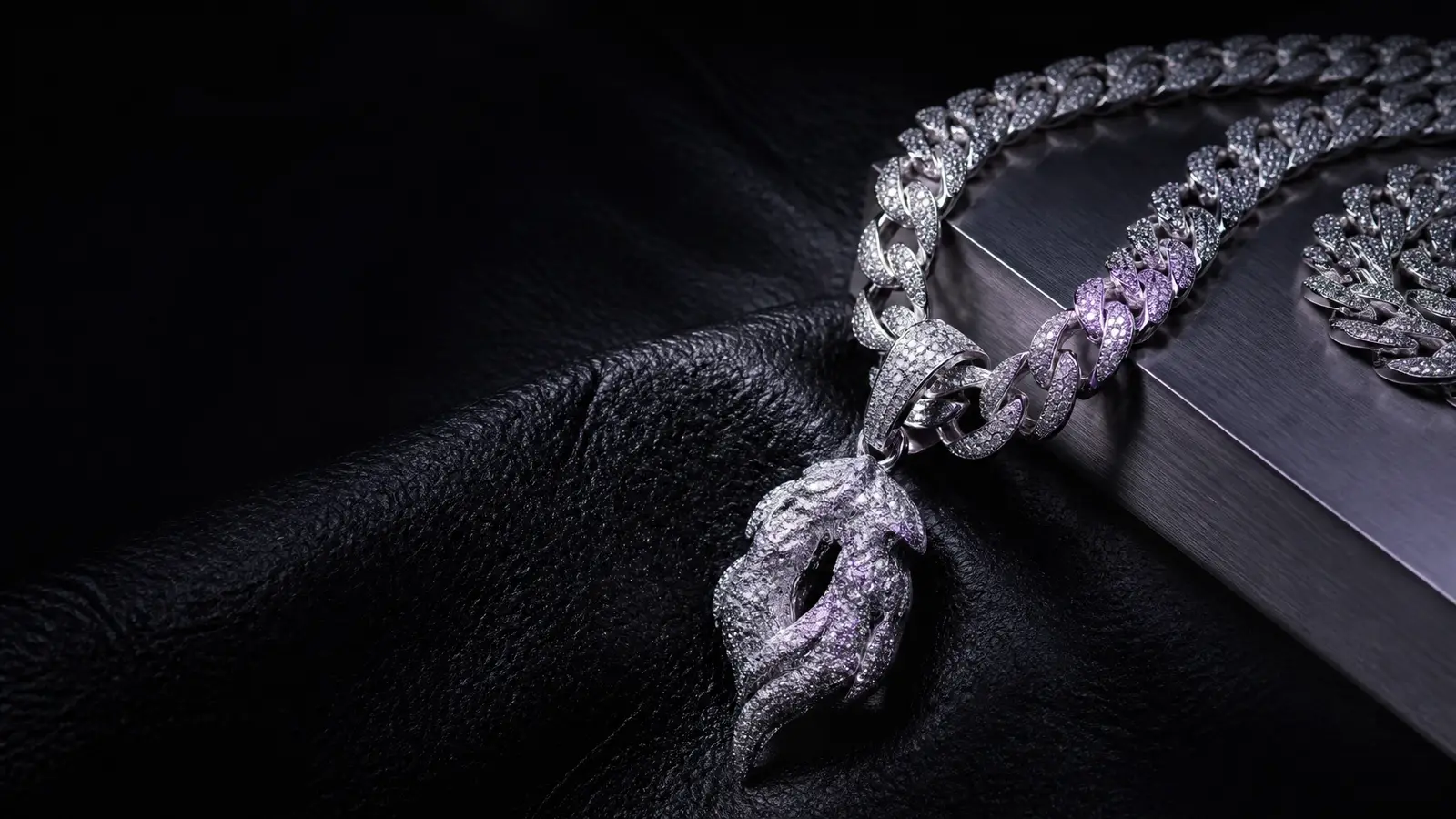
Iced-out white metal chain and pendant on black leather

Cool / polished

White gold

Varies with karat, weight, design, and market conditions

A wearer who wants the visual language of silver or platinum while keeping the warmth and design flexibility of gold.

Composition
Gold alloyed with pale metals such as palladium or, depending on the alloy, nickel. The exact mix and karat should be confirmed for the piece.
Color
A clean silvery-white look that lets diamonds and cool-toned stones take the lead.
Durability
Comparable to the same-karat yellow gold alloy. Its everyday performance depends on the alloy, construction, and how the piece is worn.
Care
Many white-gold pieces receive rhodium plating for a bright surface. That finish can wear with time and may need periodic replating; ask about the specific alloy and finish.
Finish
High polish makes it sleek and reflective; satin or brushed finishing gives the same cool color a more considered, low-glare character.
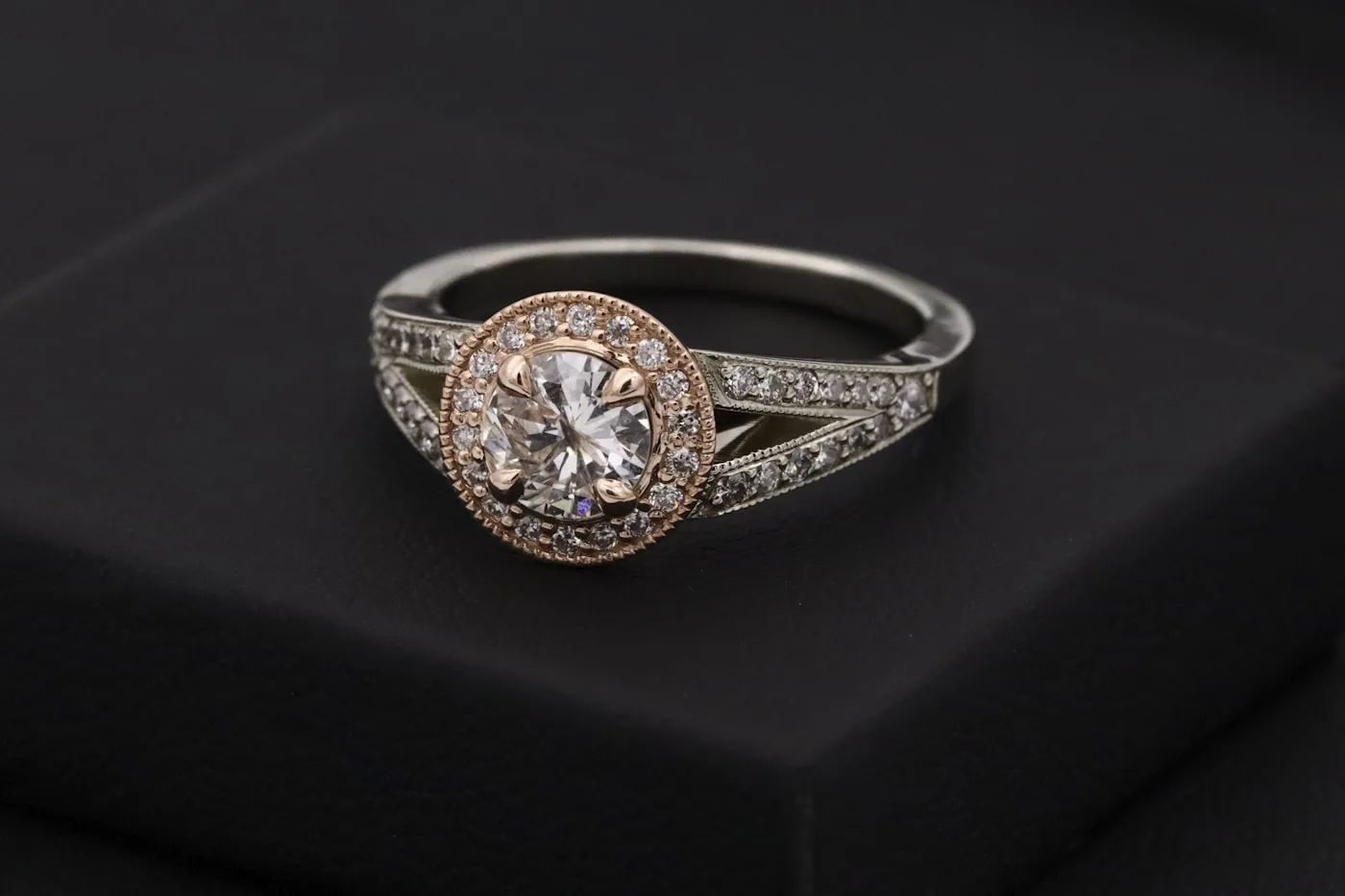
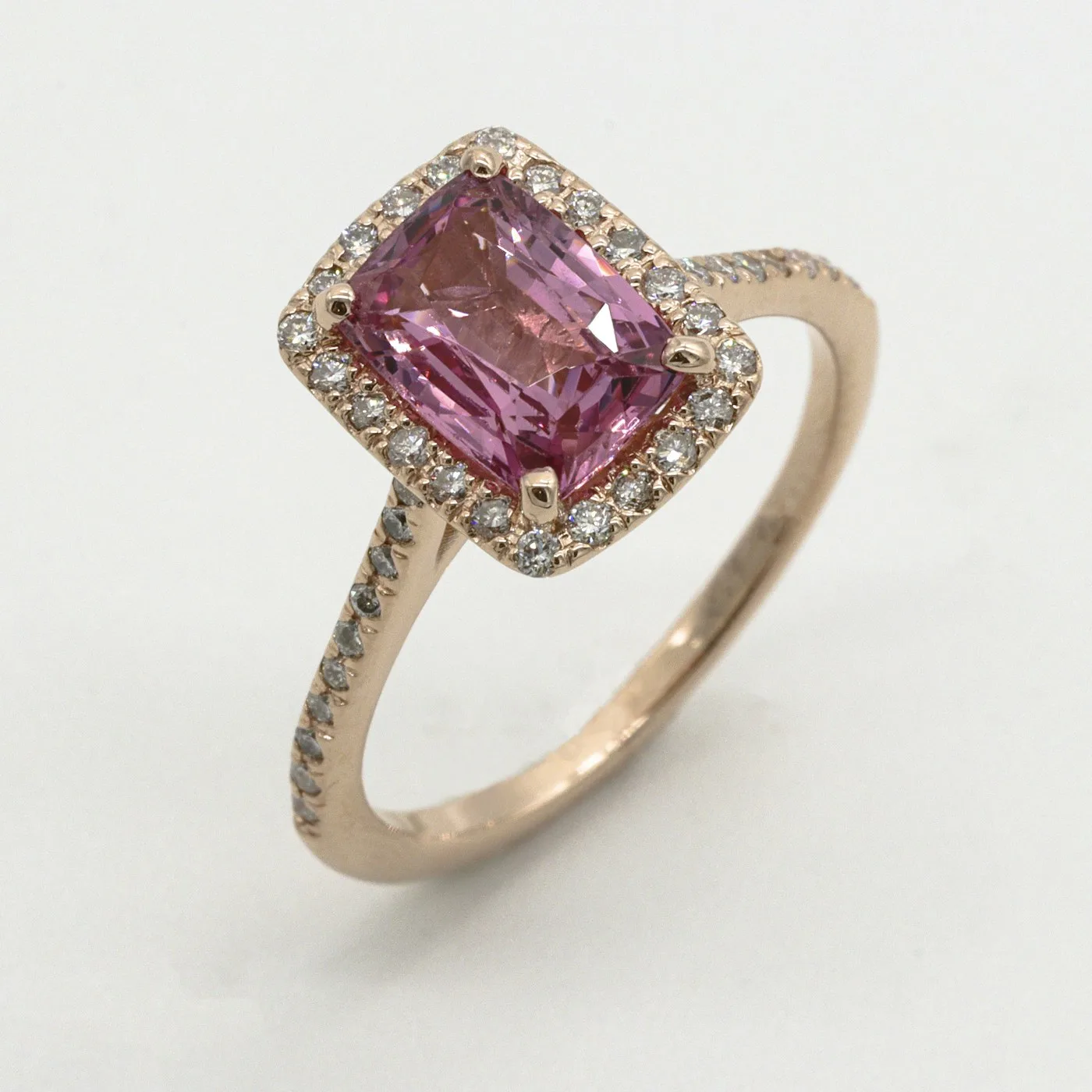
Rose gold and white diamond ring shown against a dark surface

Blush / distinctive

Rose gold

Varies with karat, weight, design, and market conditions

Someone who wants a warm metal with a little tension—romantic at first glance, but distinctive enough for a streetwear-led piece.

Composition
Gold alloyed with copper, sometimes alongside silver, to create its signature blush tone. As with yellow and white gold, karat describes the gold content.
Color
Soft pink to deeper copper-rose depending on karat and alloy. It brings warmth without feeling traditional.
Durability
The copper-rich alloy can feel sturdy in everyday jewelry. Durability still follows the construction, karat, and profile of the finished design.
Care
Use gentle soap and water, dry fully, and keep it away from chlorine and harsh chemicals that can dull the surface and affect the alloy.
Finish
Looks especially tactile in a soft polish, satin, or brushed finish; the color can become more nuanced as the surface wears.
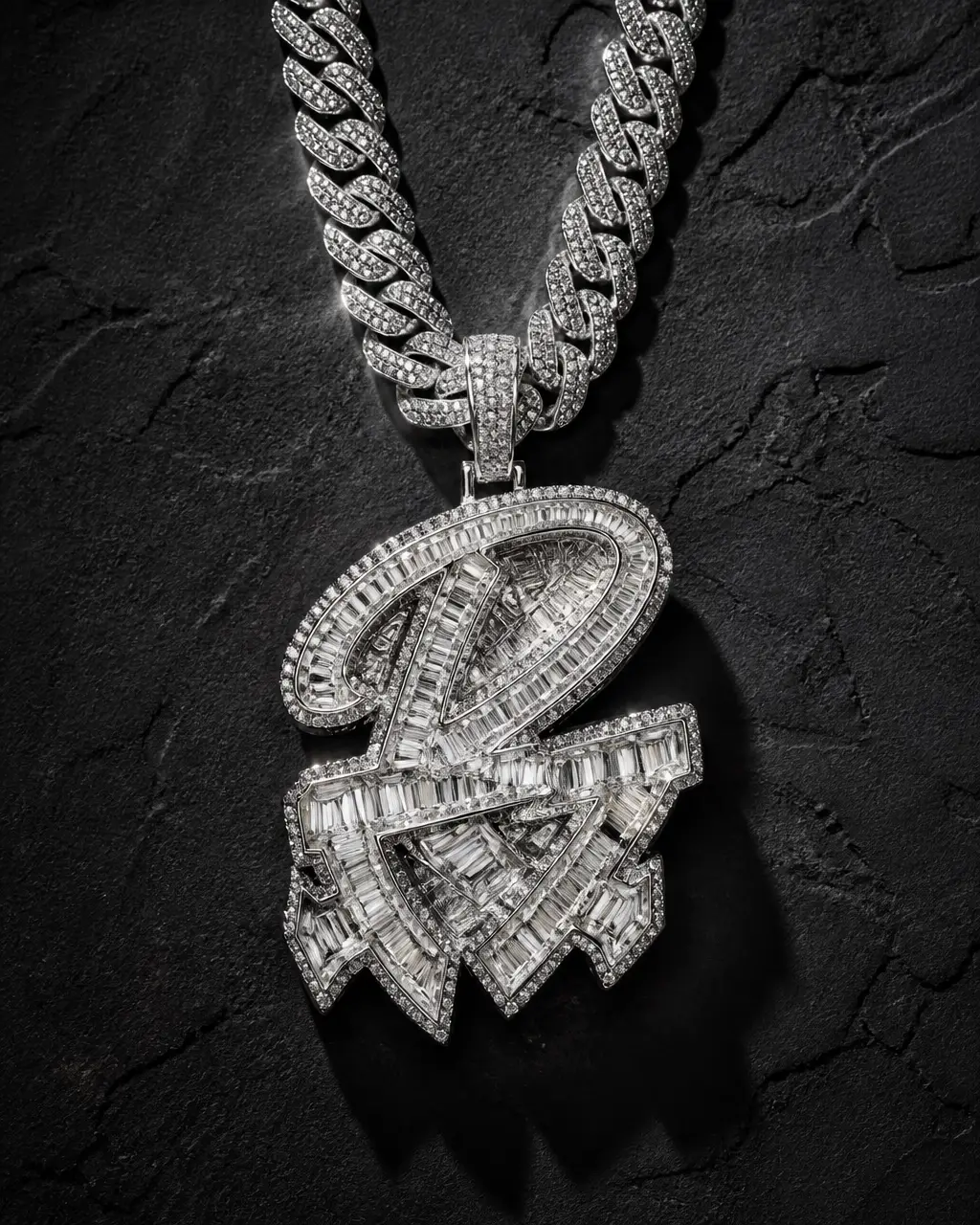
Platinum-toned diamond pendant and chain on dark stone

Dense / naturally white

Platinum

Generally the premium-priced metal option

A wearer looking for natural whiteness, substantial weight, and a premium metal with a quiet, enduring presence.

Composition
Fine platinum jewelry is commonly marked 950, indicating about 95% platinum with a small amount of alloy for strength and workability.
Color
Naturally white, with no yellow undertone and no need for rhodium plating to appear bright.
Durability
Dense, substantial, and well suited to settings that need a secure everyday foundation. It scratches by displacement rather than losing material, developing a soft patina over time.
Care
Clean with mild soap and a soft brush. Repolishing can restore a mirror finish, or the patina can be kept as part of the piece’s record of wear.
Finish
The weight feels luxurious in the hand; high polish is mirror-like, while brushed platinum feels architectural and calm.

A clear comparison

Choose by
how you live.

Price is never one number. Metal cost shifts with market conditions, karat, weight, construction, finish, and the time it takes to make the piece well.

925 sterling silver

Generally the most accessible metal option. Cool, bright white with an easy relationship to black, denim, and diamonds.

Yellow gold

Varies with karat, weight, design, and market conditions. Warm and unmistakable. Higher karat generally brings a richer gold tone along with a softer alloy.

White gold

Varies with karat, weight, design, and market conditions. A clean silvery-white look that lets diamonds and cool-toned stones take the lead.

Rose gold

Varies with karat, weight, design, and market conditions. Soft pink to deeper copper-rose depending on karat and alloy. It brings warmth without feeling traditional.

Platinum

Generally the premium-priced metal option. Naturally white, with no yellow undertone and no need for rhodium plating to appear bright.

Gold pricing can move with the market and is affected by both karat and weight. Platinum is generally premium-priced because of its density and material value. A final quote also reflects the design, stones, labor, and finish.

Your next move

Make the
combination yours.

Bring us the silhouette, the reference, or just the feeling. We will help you land on a metal, stone, and finish that belongs together.